Can Pilates Help You Recover After Intense Workouts?
Whether you're lifting weights, running long distances, attending HIIT classes, or participating in competitive sports, intense workouts can take a toll on your body. While challenging exercise is essential for building strength, endurance, and overall fitness, recovery is equally important for achieving long-term results.
Many fitness enthusiasts overlook the importance of recovery, believing that pushing harder every day will produce faster improvements. However, incorporating lower-intensity movement into your routine can help your body recover while maintaining flexibility, mobility, and strength.
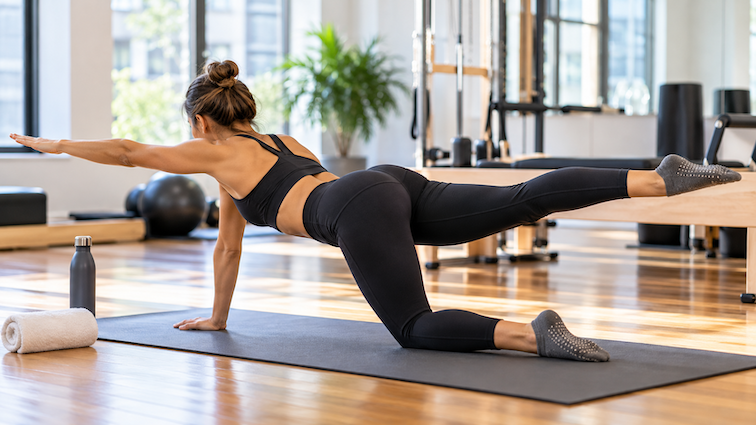
This is where Pilates comes in. At ChaiseFitness, we believe Pilates can be an excellent complement to demanding fitness routines, helping individuals improve movement quality, address muscle stiffness, and support overall physical recovery.
Why Recovery Matters After Intense Exercise
When you engage in strenuous physical activity, your muscles experience stress that stimulates adaptation and growth. However, these adaptations require adequate recovery time.
Without sufficient recovery, you may experience:
Persistent muscle soreness and stiffness
Reduced flexibility and range of motion
Increased fatigue and decreased performance
Greater susceptibility to overuse injuries
Difficulty maintaining proper exercise technique
Recovery doesn't always require complete inactivity. Active recovery, which involves gentle, controlled movement, can help maintain mobility and reduce feelings of stiffness without placing excessive demands on already-fatigued muscles.
Pilates offers an effective way to incorporate this type of movement into your fitness routine.
How Pilates Supports Post-Workout Recovery
1. Encourages Healthy Circulation
One potential benefit of Pilates after intense exercise is its ability to encourage healthy blood circulation.
Controlled movements engage different muscle groups while promoting blood flow throughout the body. Circulation delivers oxygen and nutrients to working tissues, supporting the body's natural recovery processes.
Unlike another demanding strength-training session, a gentle Pilates workout can encourage movement without significantly increasing physical fatigue.
2. Helps Reduce Muscle Stiffness
Muscle tightness is common after challenging workouts, particularly those involving repetitive movements or heavy resistance.
Runners frequently experience tight hip flexors and hamstrings, while weightlifters may notice stiffness in their shoulders, chest, and lower back.
Pilates incorporates controlled stretching, mobility exercises, and strengthening movements that can help improve flexibility and ease feelings of tightness.
Rather than forcing muscles into uncomfortable positions, Pilates encourages gradual movement through comfortable ranges of motion.
This approach can be particularly beneficial when your muscles feel stiff following strenuous activity.
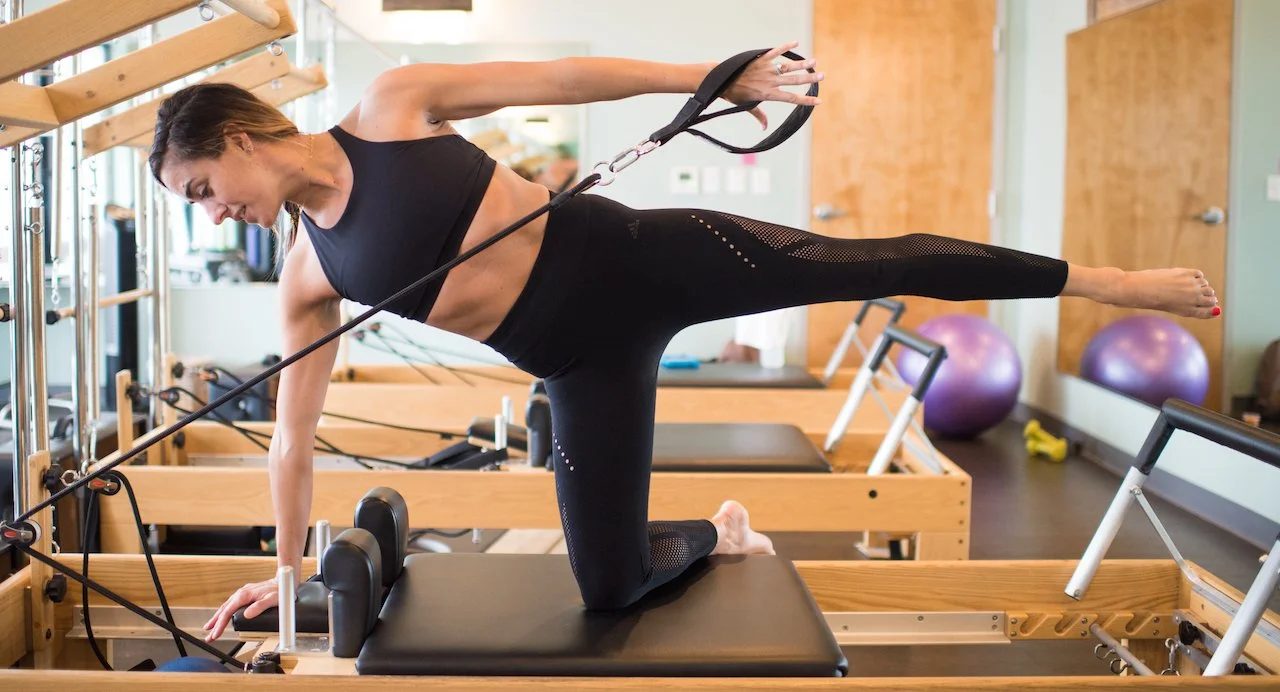
3. Strengthens Stabilizing Muscles
Intense workouts often emphasize major muscle groups, but smaller stabilizing muscles also play an essential role in athletic performance.
Pilates places significant emphasis on core stability, pelvic alignment, and coordinated muscle engagement.
Strengthening these supporting muscles can improve movement efficiency and provide greater stability during activities such as running, lifting, and cycling.
Over time, incorporating Pilates into your fitness routine may help address muscular imbalances and complement your primary training program.
4. Improves Flexibility and Joint Mobility
Limited mobility can affect exercise performance and make certain movements more challenging.
Pilates combines flexibility training with controlled muscular engagement, encouraging the body to move efficiently through its available range of motion.
For example, improving hip mobility may benefit runners and cyclists, while developing better shoulder mobility can complement upper-body strength training.
Regular Pilates practice can help maintain flexibility and joint mobility, making it easier to perform everyday activities and athletic movements comfortably.
5. Promotes Relaxation and Mental Recovery
Physical recovery is only one part of maintaining a balanced fitness routine.
Intense training schedules can also contribute to mental fatigue, particularly when every workout focuses on performance goals or physical exertion.
Pilates emphasizes intentional breathing, concentration, and mindful movement.
This slower, more deliberate approach provides an opportunity to focus on body awareness rather than workout intensity.
For individuals balancing demanding exercise routines with busy professional and personal schedules, Pilates can offer a valuable mental reset.
When Should You Incorporate Pilates Into Your Workout Routine?
Pilates can complement various training schedules, but the appropriate timing depends on your fitness goals and recovery needs.
Some individuals benefit from incorporating a gentle Pilates session the day after an intense workout. Others prefer scheduling Pilates between strength-training or cardio sessions.
For active recovery, consider incorporating one or two lower-intensity Pilates sessions per week.
The key is adjusting the intensity appropriately. Not every Pilates class is designed for recovery, and challenging resistance-based sessions can create additional muscular fatigue.
If you're particularly sore or exhausted, prioritize rest or gentle movement instead of pushing through another demanding workout.
Experience the Benefits of Pilates at ChaiseFitness
At ChaiseFitness, our contemporary approach to Pilates combines controlled movement, strength training, flexibility, and body awareness to help clients build stronger, more balanced bodies.
Located on Manhattan's Upper East Side, ChaiseFitness offers a variety of Pilates-based classes, including Pilates Mat, BandSculpt, and our signature Reinvention Chair classes.
Our patented Reinvention Method incorporates Pilates fundamentals, ballet-inspired movements, and resistance training to create a unique full-body fitness experience.
Whether you're an experienced athlete, a dedicated gym enthusiast, or simply looking to complement your existing exercise routine, our instructors can help you explore Pilates movements suited to your individual fitness goals.
Private sessions also provide an opportunity for personalized instruction and modifications based on your experience and physical needs.
Make Pilates Part of Your Recovery Routine
Achieving lasting fitness results requires more than intense workouts. Giving your body opportunities to recover is essential for maintaining performance, preventing excessive fatigue, and supporting long-term physical health.
Pilates can play a valuable role in a balanced exercise program by promoting flexibility, mobility, core stability, and mindful movement.
While Pilates doesn't replace adequate sleep, nutrition, hydration, or rest, it can provide an enjoyable way to stay active between demanding training sessions.
Ready to discover how Pilates can complement your fitness routine?
Explore the classes and private training options available at ChaiseFitness on Manhattan's Upper East Side.
Visit ChaiseFitness or call 212-744-6100 to learn more about our Pilates classes and start building a stronger, more balanced fitness routine.
Classical vs. Contemporary Pilates: What’s the Difference?
Pilates has evolved significantly since Joseph Pilates first developed his exercise method in the early 20th century. Today, people looking for Pilates classes may encounter several different styles, but two of the most common are classical and contemporary Pilates.
While both approaches share the same fundamental principles, there are important differences in how exercises are performed, structured, and adapted. Understanding classical vs. contemporary Pilates can help you determine which approach better fits your fitness goals, movement preferences, and lifestyle.
At ChaiseFitness, our contemporary approach to Pilates builds upon traditional Pilates fundamentals while incorporating innovative movement and resistance techniques to create challenging, dynamic workouts.
What Is Classical Pilates?
Classical Pilates stays closely connected to the original exercises and sequences developed by Joseph Pilates. The method traditionally follows a structured order of movements designed to work the body as an integrated system.
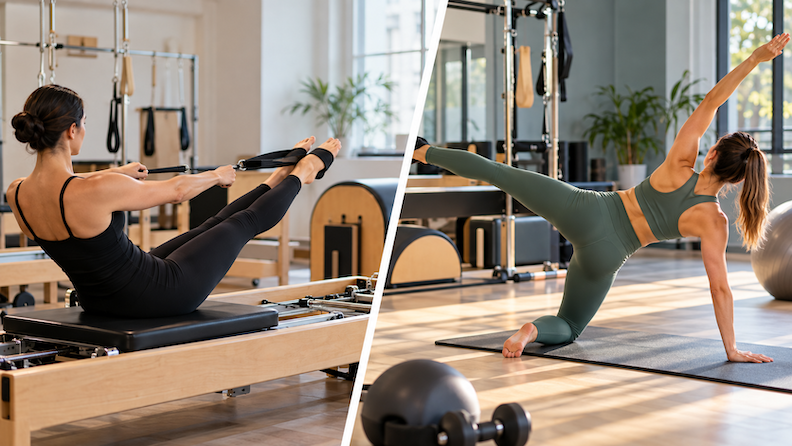
Rather than simply performing individual exercises, classical Pilates emphasizes the transitions between movements and the overall flow of the workout. Exercises may be performed on a mat or using traditional Pilates equipment such as the Reformer, Cadillac, Chair, and Barrel.
Several core principles remain central to the classical approach, including concentration, control, precision, breathing, centering, and flow.
The goal is not necessarily to perform as many repetitions as possible. Instead, practitioners focus on executing each movement with control and proper technique. This emphasis can help develop core strength, coordination, flexibility, posture, and greater body awareness.
What Is Contemporary Pilates?
Contemporary Pilates takes the foundations of the original method and combines them with a modern understanding of exercise, movement, biomechanics, and strength training.
Instead of always following the same traditional sequence, contemporary Pilates may provide instructors with greater flexibility to modify exercises according to an individual's abilities and goals.
Classes can incorporate different equipment, resistance methods, and movement styles while maintaining fundamental Pilates concepts such as core engagement, alignment, controlled movement, and the mind-body connection.
This adaptability makes contemporary Pilates an attractive option for people who enjoy variety in their workouts or want Pilates principles incorporated into a broader fitness routine.

Classical vs. Contemporary Pilates: The Main Differences
Perhaps the biggest difference between classical and contemporary Pilates is structure.
Classical Pilates generally follows Joseph Pilates' original exercises and established sequences. There is an emphasis on maintaining the traditional method and moving through exercises in a specific progression.
Contemporary Pilates tends to offer more flexibility.
An instructor may adjust movements, introduce different equipment, or combine Pilates fundamentals with other forms of exercise. This allows workouts to evolve according to the goals and abilities of the people performing them.
Equipment can also vary. Both approaches may utilize traditional Pilates apparatus, but contemporary workouts can introduce additional tools and resistance techniques.
Neither approach is inherently better. The right choice depends largely on what you want from your Pilates practice.
Which Type of Pilates Is Right for You?
If you appreciate tradition, consistency, and mastering an established sequence of exercises, classical Pilates may appeal to you. Practicing movements repeatedly can allow you to refine your technique and see how your control, strength, and precision develop over time.
If you enjoy variety and workouts that can evolve with your fitness level, contemporary Pilates may be the better fit.
Contemporary Pilates can be especially appealing to people who like combining different styles of movement. Because exercises can be modified, the approach can accommodate everyone from beginners learning Pilates fundamentals to experienced clients looking for new challenges.
Ultimately, both methods share an important goal: helping you move better.
The Benefits Both Approaches Share
Although their methods differ, classical and contemporary Pilates have much more in common than their names might suggest.
Both emphasize core strength, controlled movement, body awareness, alignment, flexibility, and coordination. Pilates also encourages you to think about how your body moves rather than simply completing repetitions.
These skills can translate beyond your workout. Improving stability, mobility, posture, and body awareness can support everyday activities and complement other forms of exercise.
Most importantly, Pilates is highly adaptable. Your practice can continue evolving as your strength, experience, and fitness goals change.
Experience Contemporary Pilates at ChaiseFitness
Located on Manhattan's Upper East Side, ChaiseFitness offers a unique, results-driven contemporary Pilates experience designed to keep both your mind and body challenged.
ChaiseFitness builds upon the fundamentals of Pilates with private and duet sessions using traditional equipment such as the Reformer, Cadillac, Pilates Chair, and Ladder Barrel. Our signature Reinvention Method takes the contemporary approach even further, blending Pilates fundamentals with ballet and resistance training.
Using a Pilates Chair, overhead bungees, resistance bands, and other equipment, Reinvention workouts provide a dynamic, low-impact way to challenge the entire body while developing strength, stability, flexibility, posture, and a stronger mind-body connection.
Whether you're completely new to Pilates or an experienced practitioner looking for something different, contemporary Pilates allows you to experience the principles that have made Pilates so enduring while enjoying a workout designed for the way we move today.
Ready to discover which Pilates approach works for you? Explore the private sessions and small-group classes available at ChaiseFitness on Manhattan's Upper East Side.
Why Women Should Prioritize Muscle Health
When many women think about fitness, goals like staying lean, improving flexibility, increasing energy, or supporting heart health often come to mind. While all of these are important, there is another essential component of long-term wellness that deserves more attention: muscle health.
Maintaining strong, functional muscles isn't only about appearance or lifting heavier weights. Muscle plays an important role in mobility, metabolism, bone health, balance, and the ability to stay active throughout life. At ChaiseFitness, Pilates-based movement offers women an effective way to build and maintain strength while improving flexibility, control, and overall body awareness.
Muscle Mass Naturally Changes With Age
One of the biggest reasons women should prioritize muscle health is that muscle mass gradually declines with age. This process can become more noticeable as we get older, making resistance-based exercise increasingly important.
The good news is that muscle responds to regular use. Strength-focused movement can help women maintain muscle, improve physical function, and remain capable of handling everyday activities.
You don't necessarily need to spend hours lifting heavy weights to challenge your muscles. Pilates incorporates resistance, controlled movements, and precise muscle engagement to strengthen the body in a low-impact environment.
Strong Muscles Support Healthy Bones
Muscle and bone health are closely connected. This is especially important for women because bone density can decline with age, particularly around and after menopause.
Resistance exercises place healthy demands on the musculoskeletal system. While Pilates shouldn't replace medical guidance or other forms of exercise recommended for bone health, it can be a valuable part of a well-rounded fitness routine.
ChaiseFitness classes incorporate resistance and controlled weight-bearing movements that challenge muscles while emphasizing proper form and alignment.
Muscle Supports Everyday Movement
Muscle strength isn't just something you use during a workout. You rely on it throughout virtually every part of your day.
Carrying groceries, climbing stairs, getting out of a chair, picking something up from the floor, traveling, gardening, and playing with children or grandchildren all require muscular strength and control.
A strong body can make these movements feel easier and more efficient. Pilates emphasizes functional strength by training muscles to work together rather than simply isolating individual muscle groups.
Exercises that strengthen the core, glutes, legs, back, shoulders, and arms can translate into better movement outside the studio.

Maintaining Muscle Supports Metabolic Health
Muscle is metabolically active tissue, meaning it requires energy to maintain. Maintaining healthy muscle mass can therefore contribute to overall metabolic health.
Strength training can also help support healthy body composition. Instead of focusing exclusively on the number on the scale, women can benefit from considering how strong, energetic, and capable their bodies feel.
This is one reason resistance-based exercise can be valuable at virtually every stage of adulthood.
Strong Muscles Can Improve Balance and Stability
Maintaining balance becomes increasingly important as we age. Strong muscles—particularly throughout the core and lower body—help stabilize the body and support coordinated movement.
Pilates is especially well suited to developing these qualities because exercises frequently require concentration, controlled transitions, balance, and core stabilization.
Rather than rushing through repetitions, Pilates encourages intentional movement. This combination of strength and body awareness can help women develop greater confidence in how they move.
Muscle Health Is About More Than Looking Toned
Fitness culture often promotes strength training to women primarily as a way to achieve a "toned" appearance. While aesthetic goals are perfectly valid, the benefits of healthy muscle extend far beyond appearance.
Building and maintaining strength can help you continue doing the activities you enjoy, support good posture, move comfortably, and maintain independence later in life.
Instead of viewing muscle as something that's only important for athletes or bodybuilders, it can be helpful to think of it as an investment in your future quality of life.
Pilates Offers a Sustainable Approach to Strength
Consistency is one of the most important parts of any fitness routine. Finding exercise that challenges the body without leaving you feeling constantly depleted can make it easier to stay active over the long term.
Pilates combines strength, mobility, flexibility, balance, and controlled movement into one comprehensive workout. At ChaiseFitness, classes are designed to challenge muscles while emphasizing proper technique and mindful movement.
Whether you're new to Pilates or have been practicing for years, continuing to strengthen your muscles can pay dividends well beyond the studio.
Invest in Your Strength at ChaiseFitness
Muscle health matters at every age. Prioritizing strength today can support better movement, greater stability, healthier aging, and the ability to continue doing the things you love for years to come.
At ChaiseFitness, Pilates provides women with a dynamic, low-impact way to strengthen the entire body while improving flexibility, balance, and control. Making muscle health part of your fitness routine isn't simply about becoming stronger—it's about building a body that's prepared to keep moving through every stage of life.
How Pilates Improves Functional Strength
When people think about getting stronger, they often picture lifting heavy weights or performing high-intensity exercises. While traditional strength training can certainly build muscle, strength is about more than how much weight you can lift. Being strong also means being able to move efficiently, maintain balance, stabilize your body, and perform everyday activities with confidence. This is where functional strength becomes especially important.
Pilates is an excellent way to develop functional strength because it trains the body to work as a connected system. Through controlled movements, resistance, core engagement, and an emphasis on proper alignment, Pilates can help you build strength that translates into the way you move both inside and outside the studio.
At ChaiseFitness, our contemporary approach to Pilates helps clients develop the strength, stability, and body awareness needed for a stronger, more active lifestyle.
What Is Functional Strength?
Functional strength refers to your body's ability to perform movements you use in everyday life. Think about carrying groceries, climbing stairs, getting up from a chair, lifting something from the floor, reaching overhead, or maintaining your balance on an uneven surface.
These activities rarely depend on just one muscle. Instead, multiple muscle groups must coordinate to produce stable, efficient movement.
Traditional exercises that isolate individual muscles can be valuable, but Pilates takes a more integrated approach. Many Pilates exercises challenge several muscle groups simultaneously while requiring you to stabilize your core and maintain proper positioning.
Over time, this can help your body become stronger at movement itself—not just at performing a particular exercise.
Building a Stronger Core
Core strength is one of the foundations of functional movement.
Your core includes much more than the visible abdominal muscles. It involves deep abdominal muscles as well as muscles surrounding the pelvis, hips, and spine. Together, these muscles provide stability and create a strong foundation for movement.
Pilates places significant emphasis on core engagement throughout each exercise. Whether you're moving your arms, extending your legs, or performing a full-body movement, you're often asked to maintain stability through your center.
A stronger, more stable core can support everything from bending and lifting to walking, running, and participating in sports.
Training Multiple Muscles to Work Together
One of the major differences between functional training and isolated strength exercises is coordination.
Everyday movements require muscles throughout your body to work together. Pilates reflects this by incorporating compound, coordinated movements that challenge the upper body, lower body, and core at the same time.
For example, an exercise may require you to stabilize your torso while moving your arms against resistance. Another may challenge your legs and glutes while requiring balance and core control.
Training these movement patterns can help improve coordination and make physical activities feel more controlled and efficient.
Improving Balance and Stability
Functional strength isn't only about generating force. It's also about controlling your body.
Pilates strengthens many of the smaller stabilizing muscles that help support your joints and maintain proper positioning. These muscles play an important role in balance, posture, and overall movement quality.
Better stability can be useful during exercise, but it is equally important in everyday situations. Walking up stairs, stepping off a curb, carrying something heavy, or quickly changing direction all require your body to stabilize itself.
Pilates helps develop this control through slow, deliberate movements that require concentration and precise positioning.
Strengthening Through a Greater Range of Motion
Being strong is most useful when you can maintain that strength throughout your natural range of motion.
Pilates combines strength and mobility rather than treating them as completely separate fitness goals. Many movements challenge muscles while they lengthen, helping you develop control through different positions.
This combination can be particularly beneficial for people who spend significant portions of the day sitting. Improving mobility while strengthening the muscles responsible for posture and stability can help create more efficient movement patterns.
Developing Better Body Awareness
Another important element of functional strength is knowing how your body is moving.
Pilates requires concentration. You pay attention to your posture, breathing, alignment, muscle engagement, and movement quality throughout a workout.
As your body awareness improves, you may become better at recognizing inefficient movement patterns and correcting them. That awareness can carry over into other workouts, sports, and everyday activities.
Instead of simply becoming stronger, you're learning how to use that strength more effectively.
Experience Functional Strength at ChaiseFitness
Pilates isn't just about flexibility or developing a strong core. It's a full-body approach to fitness that can improve strength, stability, mobility, coordination, balance, and movement quality.
At ChaiseFitness on Manhattan's Upper East Side, we take these benefits even further through contemporary Pilates instruction. Our private and duet sessions incorporate traditional Pilates equipment including the Reformer, Cadillac, Chair, and Ladder Barrel, while our patented Reinvention Method blends Pilates fundamentals with ballet and strength training.
With small group classes and personalized instruction, ChaiseFitness provides options for different fitness levels and goals.
Whether you want to complement your existing workouts, improve athletic performance, or simply feel stronger during everyday activities, Pilates can help you develop strength that has a purpose.
Functional strength isn't only about what you can lift—it's about what your body can do. Discover how Pilates at ChaiseFitness can help you move better, feel stronger, and build a more capable body for everyday life.
Why Pilates Is Great for Active Recovery Days
When you’re committed to your fitness routine, it can be tempting to push yourself hard every day. Whether you enjoy running, cycling, strength training, HIIT, or another demanding form of exercise, however, your body needs opportunities to recover.
That doesn’t necessarily mean spending the entire day on the couch. Active recovery gives you a chance to keep moving at a lower intensity while allowing your body to recover from more strenuous workouts. Pilates can be an excellent option for these days because it combines controlled movement, mobility, core engagement, and flexibility without requiring the same level of impact or intensity as many other workouts.
What Is Active Recovery?
Active recovery typically involves light or moderate movement performed between more demanding training sessions. Instead of completing another intense workout, the goal is to move the body in a way that supports recovery without adding excessive fatigue.
Walking, gentle cycling, stretching, swimming, and Pilates can all potentially be incorporated into active recovery routines.
Recovery is an important part of any well-rounded fitness program. Constantly training at high intensity without sufficient recovery can leave you feeling fatigued, stiff, and less prepared for your next workout. Incorporating lower-intensity days gives you an opportunity to focus on areas such as mobility, flexibility, movement quality, and body awareness.
Pilates Provides Low-Impact Movement
One of the biggest reasons Pilates works well for active recovery is its low-impact nature.
Running, jumping, and certain high-intensity exercises can place considerable demands on the body. On a recovery day, you may want to continue moving without repeating those same stresses.
Pilates emphasizes smooth, controlled movements rather than repetitive high-impact activity. Depending on the class and intensity you choose, this can provide an effective way to stay active while giving your body a break from your usual training routine.
Improve Flexibility and Mobility
Tight muscles are common after demanding workouts. Runners may notice tightness through their hips and legs, while people who regularly lift weights may experience stiffness in their shoulders, back, or other areas.
Pilates combines strengthening exercises with movements that encourage flexibility and mobility. Instead of simply holding static stretches, many Pilates exercises require you to move through a controlled range of motion.
Improving mobility can help you move more efficiently both during exercise and throughout everyday life. A recovery-focused Pilates session can therefore help prepare your body for the workouts ahead.

Continue Building Core Strength
An active recovery day doesn't mean you can't work on strength.
Pilates is particularly well known for emphasizing core stability. Your core helps stabilize the spine and plays an important role in virtually every physical activity, from lifting weights and running to cycling and playing recreational sports.
Pilates allows you to engage these stabilizing muscles through precise, controlled exercises without necessarily subjecting your body to another heavy training session. Over time, developing greater core stability can complement your primary workouts and contribute to better overall movement.
Focus on Alignment and Body Awareness
Intense workouts can sometimes encourage us to focus on completing another repetition, lifting more weight, or running another mile rather than paying attention to how we're moving.
Pilates takes a different approach.
Exercises emphasize concentration, alignment, breathing, and controlled movement. A recovery day can be an excellent opportunity to slow things down and pay attention to your movement patterns.
Developing greater body awareness may also help you recognize areas of tightness, weakness, or imbalance that you might overlook during faster-paced training.
Give Yourself a Mental Reset
Recovery isn't exclusively physical.
Following a demanding training schedule can be mentally tiring as well. Pilates encourages concentration and intentional breathing, creating an opportunity to shift your attention away from performance metrics and toward the quality of each movement.
That change of pace can make an active recovery day feel productive without turning it into another competition with yourself.
Pilates Complements Many Types of Exercise
Another advantage of Pilates is its versatility. It can complement a wide range of fitness routines.
Runners and cyclists can use Pilates to focus on core stability and mobility. Strength-training enthusiasts can incorporate it to work on flexibility, alignment, and controlled movement. Athletes can use Pilates to strengthen stabilizing muscles and improve body awareness.
Even people who aren't training for a particular sport can benefit from alternating more challenging workouts with lower-impact movement.
The key is adjusting the intensity appropriately. If Pilates is being used specifically for active recovery, the goal shouldn't be to make it the hardest workout of your week.
Experience Pilates at ChaiseFitness
Located on Manhattan's Upper East Side, ChaiseFitness offers contemporary Pilates through private and duet sessions as well as small group classes. Private Pilates sessions use traditional equipment including the Reformer, Cadillac, Chair, and Ladder Barrel, while ChaiseFitness's patented Reinvention Method blends Pilates fundamentals with ballet and strength training.
With options including Pilates Mat, BandSculpt, Reinvention Chair, and personalized private instruction, clients can explore different ways to incorporate Pilates into a balanced fitness routine.
Whether you're a runner, cyclist, strength-training enthusiast, athlete, or simply someone who likes staying active, Pilates can bring something different to your recovery days. By focusing on mobility, core stability, alignment, flexibility, and mindful movement, you can keep your body moving while giving it a break from your more demanding workouts.
Your recovery days don't have to mean doing nothing. With the right approach, they can help you return to your next workout feeling refreshed, mobile, and ready to move.
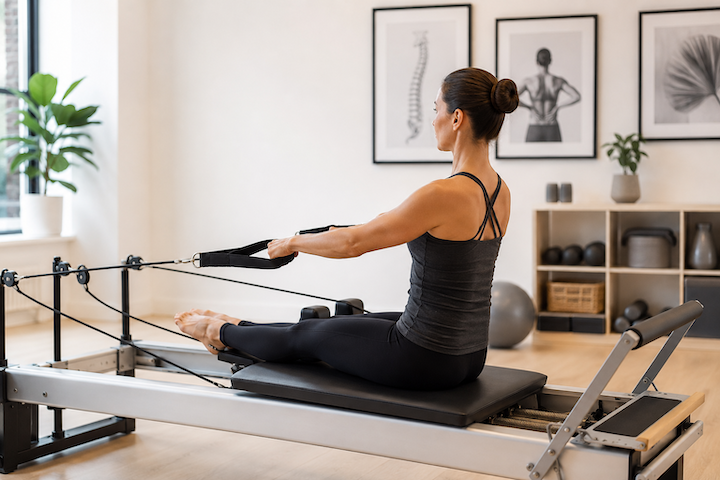
Pilates for Back Pain: How Strength, Mobility, and Better Movement Can Help
Back pain is one of the most common physical complaints among adults. Whether it comes from sitting at a desk for hours, poor posture, muscle imbalances, an old injury, or everyday stress on the body, back discomfort can make everything from exercising to completing routine tasks more difficult.
While every case of back pain is different, building strength, improving mobility, and developing healthier movement patterns can play an important role in managing discomfort. Pilates is especially well suited for these goals because it emphasizes controlled movement, core stability, posture, flexibility, and body awareness.
At ChaiseFitness, Pilates provides a low-impact approach to building a stronger, better-supported body while helping clients improve the way they move during workouts and everyday life.
Why Pilates Can Be Beneficial for Back Pain
A healthy back depends on more than the muscles directly surrounding the spine. Your abdominal muscles, hips, glutes, pelvic muscles, and other stabilizing muscles all contribute to supporting your body.
When these areas become weak or imbalanced, the back may be forced to handle more stress than it should. Pilates takes a full-body approach by strengthening supporting muscle groups while encouraging proper alignment and controlled movement.
Instead of relying on heavy loads or high-impact exercises, Pilates emphasizes precision. This makes it possible to challenge the body while paying close attention to posture and technique.
Building a Stronger Core
Core strength is one of the primary reasons Pilates for back pain has become so popular.
The "core" includes much more than the visible abdominal muscles. It consists of deeper muscles that stabilize the pelvis and spine and help the body efficiently transfer force during movement.
Pilates exercises encourage these muscles to work together. Developing better core stability can help provide additional support for the spine and reduce unnecessary strain during everyday activities such as bending, standing, walking, and lifting.
A stronger core can also make it easier to maintain good posture throughout the day.

Improving Posture and Alignment
Poor posture can contribute to back discomfort, particularly for people who spend long periods sitting.
Hours spent leaning toward a computer, looking down at a phone, or sitting with limited lumbar support can create muscular imbalances. Over time, some muscles may become tight while others weaken.
Pilates places significant emphasis on spinal and pelvic alignment. By becoming more aware of how the body is positioned during movement, participants can begin identifying habits that may be contributing to discomfort.
That awareness doesn't disappear when class ends. Better movement habits can carry over into sitting at work, walking around Manhattan, exercising, and performing everyday activities.
Increasing Flexibility and Mobility
Tightness doesn't always originate in the area where you experience discomfort. For example, restricted mobility around the hips and surrounding muscles can affect how the pelvis and lower back move.
Pilates combines strengthening with controlled movements that encourage flexibility and mobility. Instead of simply stretching a tight area, Pilates can help individuals develop strength throughout an improved range of motion.
The result is a more balanced approach to movement that addresses both mobility and stability.
Learning Better Movement Patterns
One of the biggest benefits of Pilates for back pain is increased body awareness.
Exercises are performed deliberately, encouraging participants to pay attention to breathing, alignment, muscle engagement, and movement quality. Over time, this mind-body connection can make it easier to recognize when you're compensating, slouching, or moving inefficiently.
Learning to move more effectively may help reduce unnecessary stress on the back while improving overall function.
Why Personalized Pilates Instruction Matters
Back pain can have many different causes, which means there is no single exercise routine that's appropriate for everyone. Some movements may need to be modified depending on your mobility, experience, symptoms, or injury history.
ChaiseFitness offers private Pilates sessions using equipment including the Reformer, Cadillac, Chair, and Ladder Barrel, along with small group classes. Its instructors have completed comprehensive Pilates mat and apparatus certifications, and programming can be customized based on individual needs.
Small group classes are limited in size, allowing instructors to provide personalized corrections with an emphasis on form and technique.
Anyone experiencing significant, persistent, or unexplained back pain should speak with an appropriate healthcare professional before beginning a new exercise program.
Discover Pilates at ChaiseFitness
Pilates isn't simply about becoming more flexible. It provides a comprehensive approach to developing core strength, stability, posture, mobility, coordination, and better movement habits.
For people dealing with back discomfort, these benefits can create a stronger foundation for moving through everyday life with greater confidence.
Located on Manhattan's Upper East Side, ChaiseFitness has served the area for more than 15 years and offers private Pilates instruction along with its patented Reinvention Method, which blends Pilates fundamentals with ballet and strength training.
If you're interested in discovering how Pilates can help you build a stronger core, improve posture, and move more effectively, explore ChaiseFitness and find the workout approach that fits your needs.
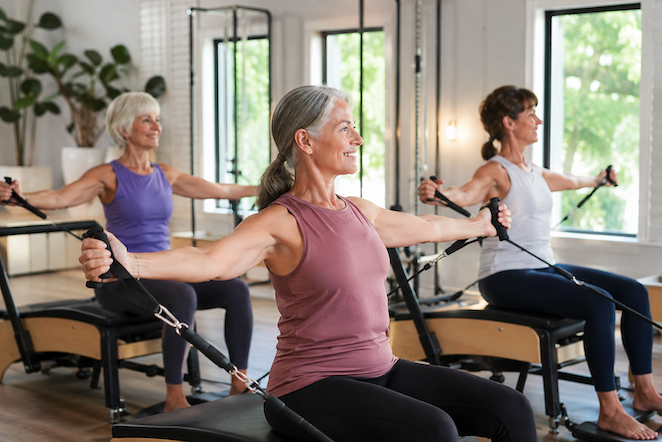
Why Pilates Supports Healthy Aging
Aging is a natural part of life, but staying strong, mobile, and confident can make a significant difference in how you feel throughout the years. While the body inevitably changes with age, regular physical activity can help maintain strength, flexibility, balance, and overall function. Pilates is particularly well suited for people who want to continue moving well as they get older.
At ChaiseFitness, Pilates-inspired workouts combine controlled movement, resistance training, and full-body conditioning to help participants build strength while improving the way their bodies move. Whether you are looking ahead to healthy aging or already noticing changes in strength and mobility, incorporating Pilates into your fitness routine can offer valuable long-term benefits.
Maintaining Strength as You Age
One of the biggest concerns associated with aging is the gradual loss of muscle mass and strength. Maintaining muscle is important for much more than appearance. Strong muscles make everyday activities—from climbing stairs and carrying groceries to getting out of a chair—easier to perform.
Pilates challenges muscles through controlled, purposeful movements and resistance. Rather than focusing exclusively on individual muscles, many Pilates exercises require multiple muscle groups to work together.
This emphasis on functional strength can help you maintain the physical capabilities you rely on every day. ChaiseFitness takes this concept further by incorporating Pilates chairs, overhead bungees, resistance bands, and strength-training principles into full-body workouts.
Improving Balance and Stability
Balance can become increasingly important with age. The CDC recommends that adults 65 and older incorporate activities that improve balance alongside aerobic and muscle-strengthening exercise.
Pilates naturally places a strong emphasis on stability and body control. Many exercises require you to maintain proper positioning while moving your arms or legs, encouraging your core and stabilizing muscles to remain engaged.
Improved stability can translate to greater confidence during everyday movement. Whether you are navigating stairs, walking on uneven surfaces, or simply moving around your home, having a strong and stable foundation matters.

Supporting Flexibility and Mobility
Stiffness can make everyday tasks more difficult and may discourage people from remaining active. Pilates incorporates controlled movements that take joints and muscles through comfortable ranges of motion while simultaneously building strength.
Over time, consistent Pilates practice can support greater flexibility and mobility. This may make movements such as bending, reaching, rotating, and walking feel more comfortable.
The goal isn't necessarily to become extremely flexible. Instead, Pilates can help you develop the mobility needed to continue performing everyday activities comfortably and efficiently.
Building a Stronger Core
Core strength is one of the defining elements of Pilates. However, your core involves much more than your abdominal muscles. It includes muscles throughout the abdomen, back, hips, and pelvic region that work together to stabilize the body.
A strong core supports nearly every movement you make. It can contribute to better balance, posture, body control, and overall movement efficiency.
As you age, maintaining this foundation can help you continue performing both everyday activities and other forms of exercise with greater confidence.
Promoting Better Posture
Years spent sitting at desks, driving, looking at screens, or repeating certain movements can gradually affect posture. Age-related changes in strength and mobility can make these issues more noticeable.
Pilates emphasizes alignment, spinal awareness, and strengthening the muscles responsible for maintaining posture. Developing greater awareness of how you sit, stand, and move can carry over into your daily routine.
Better posture isn't simply about standing taller. Proper alignment can help your body distribute forces more efficiently, potentially making movement feel easier and more natural.
A Joint-Friendly Approach to Fitness
One reason Pilates appeals to adults across many age groups is its low-impact nature. You can challenge your muscles without relying on repetitive jumping or other high-impact movements.
Low impact does not mean low intensity. Resistance bands, Pilates equipment, bodyweight exercises, and carefully controlled movements can create challenging workouts while limiting unnecessary impact on the joints.
This combination can make Pilates an attractive option for maintaining a consistent exercise routine over the long term.
Supporting an Active, Independent Lifestyle
Healthy aging isn't simply about adding years to your life—it is also about maintaining the ability to enjoy those years. Regular physical activity can help older adults maintain independence and quality of life while supporting bone health, balance, coordination, and overall physical function.
Pilates addresses several of these priorities within a single workout by combining strength, mobility, balance, stability, and body awareness.
Discover the ChaiseFitness Approach to Pilates
You don't have to wait until later in life to start thinking about healthy aging. Building strength, improving mobility, and developing better movement habits today can create a stronger foundation for the future.
ChaiseFitness's patented Reinvention Method blends Pilates, ballet, and strength training into dynamic full-body workouts designed for different fitness levels. With small class sizes and an emphasis on personalized corrections, form, and technique, participants can focus on moving effectively while continuing to challenge themselves.
If you're looking for an engaging way to stay strong, mobile, and active at any age, discover how Pilates at ChaiseFitness can become part of your long-term wellness routine.
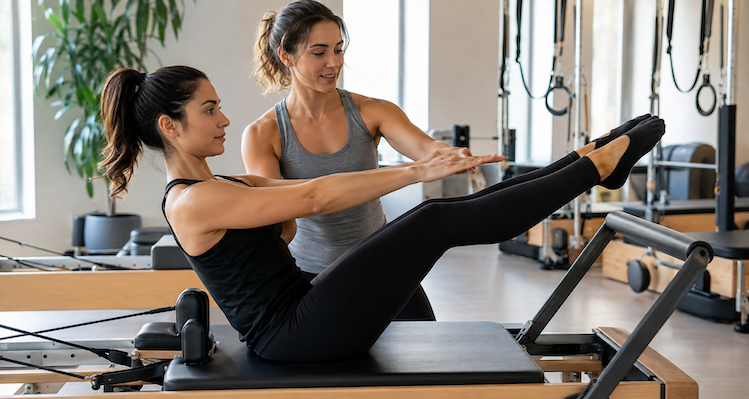
Is Pilates Worth It? Why Millions Continue to Choose It
f you've ever wondered, "Is Pilates worth it?", you're certainly not alone. As Pilates continues to grow in popularity, more people are discovering that it's much more than a fitness trend. From professional athletes and dancers to busy professionals, seniors, and beginners, millions choose Pilates because it delivers long-term benefits that go far beyond burning calories.
At ChaiseFitness, clients experience a modern approach to Pilates that combines traditional techniques with innovative programming to help build strength, improve flexibility, and enhance overall movement. Whether your goal is better posture, increased athletic performance, injury prevention, or simply feeling stronger in everyday life, Pilates offers lasting value that keeps people coming back year after year.
Pilates Builds Functional Strength
One of the biggest reasons people invest in Pilates is its emphasis on functional strength. Unlike workouts that isolate individual muscle groups, Pilates trains your body to move as one connected system.
Every exercise activates your core while strengthening your hips, glutes, back, shoulders, and stabilizing muscles. This balanced approach helps improve movement patterns that carry over into daily activities, whether you're lifting groceries, sitting at a desk, playing sports, or simply walking up stairs.
Instead of focusing solely on muscle size, Pilates develops strength you can actually use.
Better Posture and Reduced Everyday Aches
Modern lifestyles often involve long hours sitting at computers, looking at phones, or commuting. Over time, poor posture can contribute to neck pain, back discomfort, tight hips, and shoulder tension.
Pilates emphasizes spinal alignment, body awareness, and proper movement mechanics. As your postural muscles become stronger, many people notice they naturally stand taller, sit more comfortably, and experience fewer everyday aches.
Improved posture also contributes to greater confidence and more efficient movement throughout the day.
Low-Impact Doesn't Mean Low Results
Many people mistakenly assume low-impact workouts aren't challenging. Pilates proves otherwise.
Because movements are controlled and intentional, your muscles remain under tension throughout each exercise. Small adjustments in positioning often create significant challenges, allowing you to build strength without the repetitive pounding associated with many high-impact workouts.
This makes Pilates an excellent option for:
Beginners starting a fitness routine
Active adults seeking balanced training
Individuals recovering from certain injuries
Older adults maintaining mobility
Athletes looking to improve performance
The ability to challenge your body while minimizing joint stress is one reason Pilates remains sustainable for years.
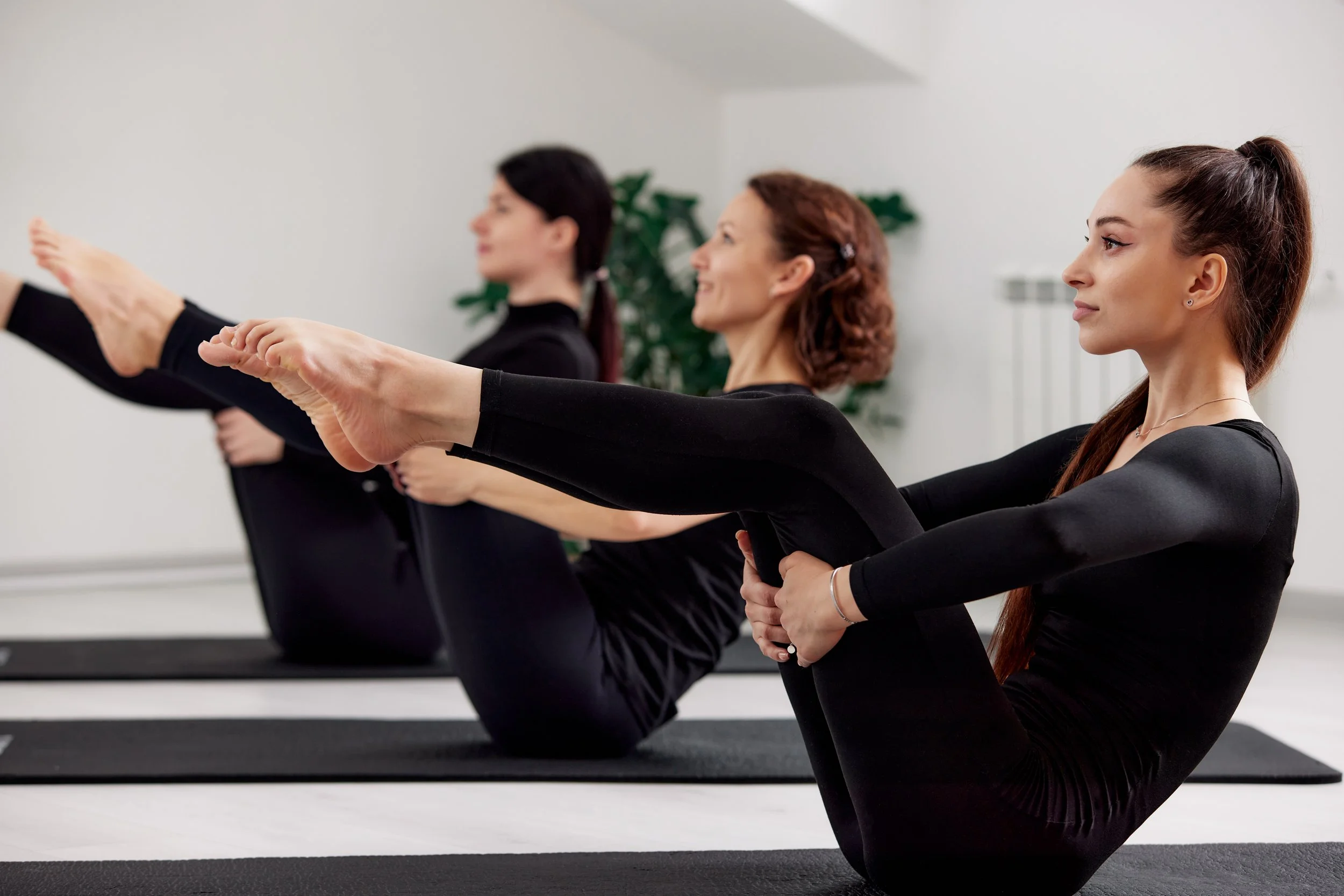
Improved Flexibility and Mobility
Stretching alone doesn't always improve movement quality. Pilates combines flexibility with strength, allowing your body to move through a greater range of motion while maintaining stability.
Rather than becoming simply more flexible, you'll develop controlled mobility that supports healthier movement patterns.
Over time, many participants notice improvements in:
Hip mobility
Shoulder movement
Hamstring flexibility
Spinal mobility
Overall balance and coordination
These improvements often make everyday activities easier while reducing stiffness.
Mental Benefits Matter Too
Exercise isn't only about physical health.
Pilates requires concentration, breathing control, and mindful movement. During each session, your attention stays focused on proper form instead of distractions from work or daily stress.
Many participants describe Pilates as both physically challenging and mentally refreshing. That mind-body connection is one reason people often remain committed to their practice long after trying it for the first time.
Pilates Works for Every Fitness Level
Another reason Pilates continues to grow is its incredible adaptability.
Exercises can be modified for beginners while still providing advanced challenges for experienced participants. Progress happens through better control, increased resistance, improved balance, and more complex movement patterns—not simply lifting heavier weights.
At ChaiseFitness, workouts evolve alongside your goals, helping ensure every session remains engaging and appropriately challenging. The studio offers private Pilates sessions and small group classes, including its signature Reinvention Method that blends Pilates fundamentals with resistance bands, overhead bungees, TRX, and functional movement for a dynamic full-body workout.
Consistency Creates Lasting Results
The true value of Pilates comes from consistency.
Unlike quick-fix fitness trends, Pilates encourages gradual, sustainable improvement. Regular practice helps strengthen muscles, improve flexibility, refine posture, and increase body awareness over time.
Many long-term practitioners continue because they notice improvements not only during workouts, but throughout everyday life.
Whether you're carrying children, golfing, running, traveling, or simply enjoying daily activities with greater comfort, Pilates supports movement that lasts.
Is Pilates Worth It?
For most people, the answer is absolutely yes.
Pilates delivers benefits that extend well beyond appearance. It helps improve strength, posture, flexibility, mobility, balance, coordination, and overall movement quality while remaining accessible for nearly every age and fitness level.
When combined with expert instruction and personalized programming, Pilates becomes an investment in long-term health rather than simply another workout.
At ChaiseFitness, clients enjoy individualized attention from highly trained instructors in a welcoming Upper East Side Manhattan studio. With private Pilates sessions, small group classes, and the innovative Reinvention Method, every workout is designed to help you move better, feel stronger, and stay motivated throughout your fitness journey. If you're ready to discover why millions continue to choose Pilates, there's never been a better time to experience the difference for yourself.
Pilates for Cyclists: Reduce Tightness and Improve Performance
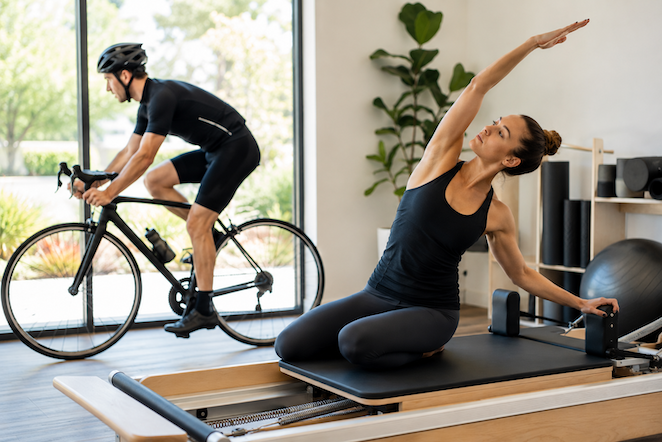
Whether you're a weekend rider, an avid road cyclist, or someone who uses cycling as your primary form of cardio, you're likely familiar with the muscle tightness and stiffness that can develop after long rides. Hours spent in a forward-leaning position and repetitive pedaling can leave the hips, hamstrings, calves, lower back, and shoulders feeling restricted. Fortunately, Pilates offers an effective way to counter these imbalances while helping cyclists improve strength, mobility, and overall performance.
At ChaiseFitness, our innovative approach to Pilates combines traditional principles with dynamic, full-body movement to help clients build strength, improve flexibility, and move more efficiently. For cyclists, incorporating Pilates into a weekly routine can be one of the smartest ways to stay healthy, ride longer, and recover faster. ChaiseFitness emphasizes functional strength, core stability, and proper alignment through specialized equipment and its signature Reinvention Method.
Why Cyclists Commonly Experience Tightness
Cycling is an outstanding cardiovascular workout, but it primarily involves repetitive movement in a single plane of motion. Over time, this repetitive pattern can contribute to muscular imbalances and reduced mobility.
Common areas where cyclists develop tightness include:
Hip flexors
Hamstrings
Calves
Glutes
Lower back
Chest and shoulders
Neck
The forward riding posture also encourages rounded shoulders and a flexed spine, which may contribute to discomfort after longer rides. Many cyclists report persistent hip tightness due to prolonged seated positioning and limited hip extension during cycling.
Pilates Restores Mobility
One of Pilates' greatest benefits is improving controlled mobility rather than simply increasing flexibility. Every movement emphasizes proper alignment while guiding joints through healthy ranges of motion.
For cyclists, this can help:
Lengthen tight hip flexors
Improve hamstring flexibility
Increase thoracic spine mobility
Open the chest and shoulders
Improve ankle mobility
Reduce lower back tension
Improved mobility allows cyclists to maintain a more efficient riding position while decreasing unnecessary strain throughout the body.

Core Strength Improves Cycling Efficiency
Many people think cycling is all about leg strength, but your core plays an enormous role in power production and endurance.
A strong core helps:
Stabilize the pelvis
Reduce wasted movement
Improve pedaling efficiency
Support proper posture
Reduce fatigue during long rides
Pilates is renowned for strengthening the deep abdominal muscles, spinal stabilizers, and pelvic floor muscles that traditional workouts often overlook. Rather than isolating muscles, Pilates teaches the body to work as one coordinated system, creating functional strength that translates directly to athletic performance. Research and instructor guidance consistently highlight improved core stability and pelvic control as major benefits for cyclists.
Better Posture Means More Comfortable Rides
Hours on the bike naturally encourage rounded shoulders, forward head posture, and a flexed upper back. Over time, these positions can contribute to neck pain, shoulder discomfort, and lower back fatigue.
Pilates focuses heavily on spinal alignment and postural awareness.
By strengthening the muscles that support proper posture, cyclists often experience:
Reduced neck tension
Less shoulder tightness
Better breathing mechanics
Improved comfort during long rides
More efficient body positioning
Even small improvements in posture can make long-distance rides feel significantly more comfortable.
Injury Prevention Through Balanced Strength
Cycling heavily develops certain muscle groups while leaving others undertrained. This imbalance may increase the risk of overuse injuries.
Pilates helps restore muscular balance by strengthening:
Glutes
Deep core muscles
Hip stabilizers
Upper back muscles
Shoulder stabilizers
At the same time, controlled stretching improves mobility in commonly tight areas.
This balanced approach allows joints to move more efficiently while reducing excess stress on muscles, tendons, and ligaments.
Faster Recovery Between Rides
Recovery is just as important as training volume.
Pilates uses controlled movement and intentional breathing to encourage healthy circulation, improve body awareness, and promote gentle movement after strenuous exercise. Many cyclists find that adding Pilates between rides helps reduce stiffness while keeping their bodies feeling fresh for the next workout. ChaiseFitness also emphasizes improved circulation and functional movement through its Pilates-based programming.
Instead of remaining sore for several days after a long ride, regular Pilates sessions may help you recover more comfortably while maintaining consistent training.
Pilates Complements Every Type of Cyclist
Whether you enjoy:
Road cycling
Mountain biking
Indoor cycling
Gravel riding
Recreational weekend rides
Competitive racing
Pilates can easily fit alongside your existing training schedule.
Unlike high-impact workouts that may leave you feeling overly fatigued, Pilates provides strength, stability, mobility, and body control without placing excessive stress on the joints. Many experienced cyclists view core work and mobility training as essential complements to cycling performance and long-term injury prevention.
Experience the Benefits at ChaiseFitness
At ChaiseFitness, Pilates goes beyond traditional mat exercises. Through expert instruction, innovative equipment, and the signature Reinvention Method, clients develop functional strength, flexibility, balance, and improved movement quality that carries over into sports and everyday life.
If cycling leaves you feeling tight, sore, or limited in your performance, adding Pilates to your fitness routine can help restore balance throughout your body. By improving core strength, mobility, posture, and recovery, Pilates allows you to ride with greater comfort, increased efficiency, and reduced risk of injury—helping you enjoy every mile while performing at your best.
Reformer Pilates vs. Mat Pilates: Which Should You Choose?
If you're new to Pilates, one of the first questions you'll probably ask is whether you should start with Reformer Pilates or Mat Pilates. Both are built on the same principles of controlled movement, core strength, flexibility, and proper alignment, but they provide different experiences and benefits depending on your goals.
At ChaiseFitness, we believe there isn't a one-size-fits-all answer. Both Reformer Pilates and Mat Pilates can help you build strength, improve posture, and move more efficiently. The best choice depends on your fitness level, personal preferences, and what you hope to achieve.
What Is Mat Pilates?
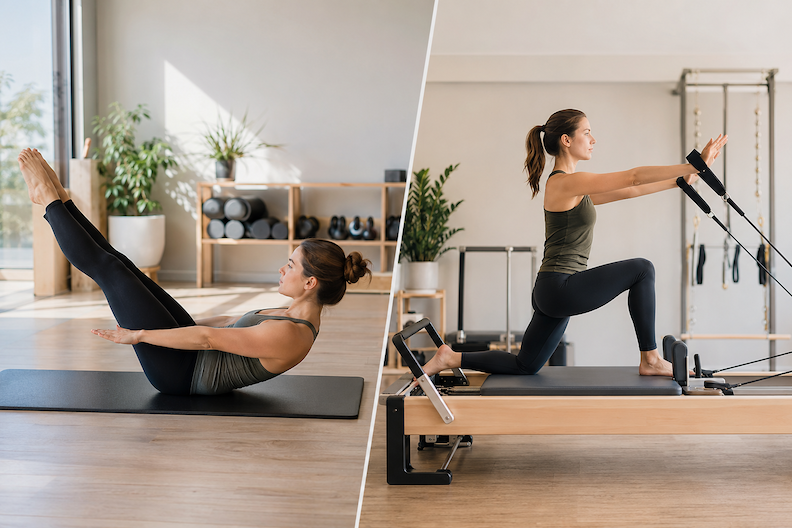
Mat Pilates is the original form of Pilates developed by Joseph Pilates. Instead of using large equipment, exercises are performed on a mat using your own body weight. Some classes may also include small props such as resistance bands, Pilates balls, or rings to increase the challenge.
At ChaiseFitness, Pilates Mat classes focus on strengthening, lengthening, and toning the entire body while improving endurance, flexibility, balance, coordination, breathing, and spinal alignment. Some sessions also incorporate props to provide additional resistance and variety.
Benefits of Mat Pilates
Mat Pilates offers several advantages:
Develops deep core strength using body weight
Improves posture and body awareness
Increases flexibility and mobility
Requires minimal equipment
Can easily be practiced at home or while traveling
Excellent foundation for learning proper Pilates principles
Because there is no machine assisting movement, Mat Pilates challenges you to stabilize your own body throughout every exercise. This often builds exceptional control and coordination.
What Is Reformer Pilates?
Reformer Pilates uses a specialized machine featuring a sliding carriage, adjustable springs, straps, and a footbar. The spring resistance can either assist movements or make exercises more challenging, allowing instructors to customize workouts for virtually every fitness level.
ChaiseFitness offers private Reformer sessions along with training on additional Pilates apparatus such as the Cadillac, Chair, and Ladder Barrel, giving clients a highly personalized experience designed around their individual goals.
Benefits of Reformer Pilates
Reformer Pilates provides unique advantages, including:
Adjustable resistance for beginners and advanced students
Full-body strength training
Improved joint stability
Enhanced flexibility through guided movement
Better muscle balance and alignment
Greater exercise variety
The moving carriage also provides constant feedback, helping participants recognize imbalances and improve movement quality more quickly.
Key Differences Between Reformer and Mat Pilates
Although both styles share the same Pilates philosophy, there are several important differences.
Equipment
Mat Pilates uses little or no equipment beyond a mat and occasional small accessories.
Reformer Pilates utilizes specialized machines that provide adjustable resistance and support.
Resistance
Mat Pilates relies almost entirely on your body weight.
Reformer Pilates uses spring resistance that can either increase difficulty or assist movements for beginners or rehabilitation.
Accessibility
Mat Pilates can be practiced almost anywhere, making it convenient and affordable.
Reformer Pilates requires specialized equipment and is generally performed in a professional studio.
Variety
The Reformer allows for hundreds of exercise variations that aren't possible on a mat alone. However, Mat Pilates remains incredibly versatile and can still provide a challenging full-body workout.

Which Is Better for Beginners?
Many people assume Mat Pilates is easier because it doesn't involve equipment. In reality, that's not always true.
Using only your body weight requires significant core stability and control. Meanwhile, the Reformer can actually provide support during certain movements, helping beginners learn proper technique more comfortably while gradually increasing resistance as strength improves. Many experienced instructors view the reformer as an excellent learning tool because its adjustable springs can both assist and challenge movement.
The most important factor isn't whether you choose Mat or Reformer—it's having knowledgeable instruction that emphasizes proper form and alignment.
Which Is Better for Strength?
If your primary goal is building functional strength while remaining low impact, both methods deliver excellent results.
Reformer Pilates often allows for greater resistance training, particularly for the legs, back, shoulders, and arms.
Mat Pilates places tremendous emphasis on core endurance, stability, and muscular control.
Many experienced Pilates practitioners incorporate both styles into their routine because each develops different aspects of strength.
Which Is Better for Weight Loss?
Neither Mat nor Reformer Pilates should be viewed solely as a weight-loss workout. Instead, both help increase lean muscle mass, improve movement efficiency, and support an active lifestyle.
Combined with proper nutrition and consistent exercise, either format can contribute to long-term body composition improvements.
The ChaiseFitness Difference
One of the biggest advantages of training at ChaiseFitness is that you don't have to limit yourself to one style of Pilates.
In addition to traditional Pilates instruction, ChaiseFitness offers its patented Reinvention Method, which combines Pilates principles with resistance bands, overhead bungees, ballet-inspired movement, and specialized equipment to create engaging, full-body workouts. Small class sizes allow instructors to provide individualized attention and form corrections that help clients progress safely and efficiently.
Which Should You Choose?
The truth is that neither Reformer Pilates nor Mat Pilates is inherently better—they simply serve different purposes.
Choose Mat Pilates if you want a convenient workout that develops body awareness, core stability, and control using primarily your own body weight.
Choose Reformer Pilates if you enjoy equipment-based training, want adjustable resistance, or prefer more exercise variety and personalized progression.
For many people, the ideal approach is combining both. By alternating Mat and Reformer sessions, you'll experience the unique benefits of each while building strength, flexibility, balance, and confidence.
If you're ready to discover which style fits your goals, the experienced instructors at ChaiseFitness can help you find the right class and create a Pilates routine that keeps you challenged, motivated, and moving toward lasting results.
Why Scale Weight Doesn't Tell the Whole Story
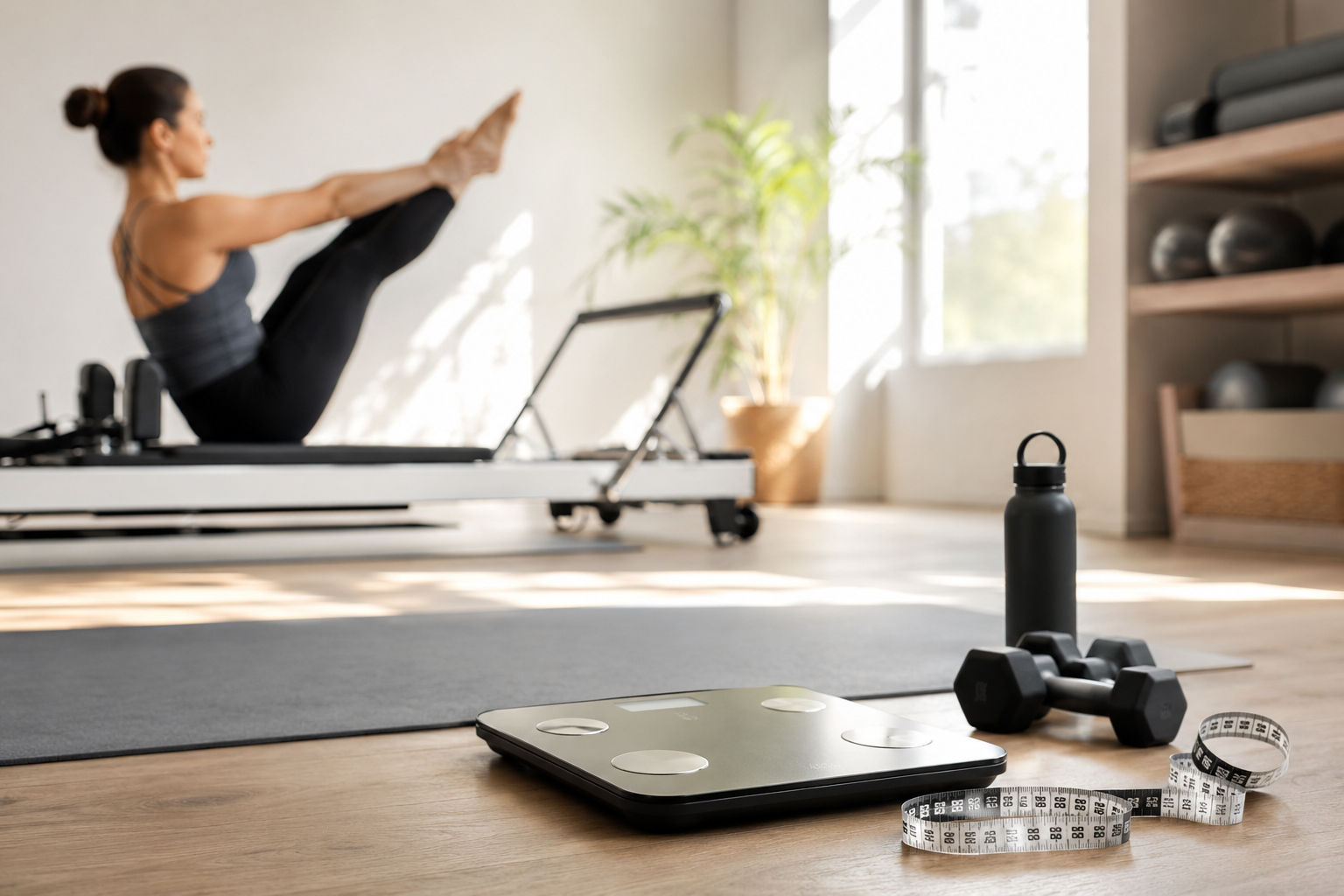
For many people, stepping on the scale has become the ultimate measure of fitness progress. If the number goes down, it feels like success. If it stays the same—or even increases—it can feel discouraging. But the truth is that your body is far more complex than a single number. Scale weight is only one small piece of the overall picture, and it often fails to reflect the meaningful changes happening beneath the surface.
At ChaiseFitness, we encourage clients to focus on building strength, improving movement, and creating sustainable healthy habits instead of becoming overly attached to the scale. Our contemporary Pilates approach helps members develop lean muscle, improve posture, increase flexibility, and feel stronger in everyday life. Those victories often matter far more than what you see during your morning weigh-in.
Weight Naturally Fluctuates
One of the biggest misconceptions about body weight is that it should move steadily downward during a fitness journey. In reality, your weight can fluctuate several pounds from one day to the next without reflecting any meaningful gain or loss of body fat.
Daily changes can be influenced by:
Hydration levels
Sodium intake
Carbohydrate consumption
Hormonal fluctuations
Digestion
Sleep quality
Recent exercise
For example, after a challenging workout, your muscles may temporarily retain water as part of the recovery process. This is actually a positive sign that your body is adapting and rebuilding stronger tissues.
Muscle Is More Dense Than Fat
One of the most common reasons the scale doesn't move—even when you're making excellent progress—is body recomposition.
As you consistently exercise, especially with resistance-based training like Pilates, your body may simultaneously lose fat while gaining lean muscle. Because muscle is denser than fat, your weight may stay relatively stable even though your body composition is improving dramatically.
This is why many people notice:
Clothes fitting better
Increased muscle definition
Improved posture
Greater strength
More energy
...despite seeing very little change on the scale.

Pilates Builds Functional Strength
Unlike workouts that focus solely on burning calories, Pilates develops strength throughout the entire body. Every controlled movement engages multiple muscle groups while emphasizing core stability, balance, and proper alignment.
At ChaiseFitness, clients work with equipment including Reformers, Chairs, Cadillacs, and the studio's innovative Reinvention Method to challenge the body through controlled resistance and dynamic movement. These workouts help improve functional strength that carries over into everyday activities—not just gym performance.
As your muscles become stronger and more efficient, your body often becomes leaner even if the scale changes very little.
Progress Shows Up in Other Ways
Some of the most rewarding improvements cannot be measured in pounds.
Ask yourself:
Can you hold a plank longer?
Do stairs feel easier?
Is your balance improving?
Have your back or neck aches decreased?
Can you complete exercises that once felt impossible?
Are you standing taller with better posture?
These are all signs that your fitness is improving.
Pilates emphasizes quality movement, body awareness, and proper mechanics. Over time, these improvements help reduce unnecessary strain on joints while supporting healthier movement patterns in everyday life.
Energy and Confidence Matter Too
Fitness isn't only about appearance.
Many ChaiseFitness clients discover benefits such as:
Better energy throughout the day
Reduced stress
Improved mobility
Greater flexibility
Better sleep
Increased confidence
These lifestyle improvements often have a much greater impact on overall well-being than losing a few extra pounds.
When your body feels stronger and moves better, everyday activities become easier and more enjoyable.
Better Ways to Measure Progress
Instead of relying solely on the scale, consider tracking multiple indicators of success.
Helpful measurements include:
Progress photos every four to six weeks
Body measurements
Clothing fit
Strength improvements
Flexibility gains
Endurance
Balance and stability
Energy levels
Overall mood
Looking at these measurements together provides a much more accurate picture of your progress.
Consistency Always Wins
One disappointing weigh-in doesn't erase weeks of healthy eating and consistent exercise.
Real fitness happens gradually. Building muscle, improving posture, increasing mobility, and creating lifelong habits all take time.
The people who achieve lasting success are usually those who stay consistent instead of reacting emotionally to normal daily weight fluctuations.
Rather than asking, "What does the scale say today?" try asking:
Am I stronger than I was last month?
Do I move with greater confidence?
Am I building habits I can maintain for years?
Those questions lead to far more meaningful progress.
Focus on Feeling Better, Not Just Weighing Less
At ChaiseFitness, we believe fitness should help you move better, feel stronger, and enjoy life more fully. While weight loss may certainly be one of your goals, it should never be the only measure of success.
Pilates offers benefits that extend far beyond the scale by improving strength, flexibility, posture, balance, and overall movement quality. As your body becomes stronger and healthier, you'll often notice positive changes that no bathroom scale can accurately measure.
The next time the number doesn't move the way you hoped, remember that your body may still be making incredible progress. Stay consistent, trust the process, and celebrate every victory—because true fitness is about becoming healthier, stronger, and more capable every day.
How Pilates Equipment Improves Alignment and Form
Proper alignment and movement quality are at the heart of every effective Pilates practice. Whether you're new to Pilates or have years of experience, maintaining correct form can be challenging without the right guidance and support. That's where Pilates equipment comes in. From the Reformer and Cadillac to the Chair and Ladder Barrel, Pilates apparatus is specifically designed to help practitioners improve body awareness, enhance posture, and perform movements with greater precision.
At ChaiseFitness, Pilates equipment plays a central role in helping clients achieve better alignment, safer movement patterns, and more effective workouts. By combining expert instruction with specialized equipment, participants can build strength while reinforcing healthy movement habits that carry over into daily life.
Why Alignment Matters
Alignment refers to how the body is positioned during movement and at rest. Proper alignment allows muscles and joints to work efficiently, reducing unnecessary strain and lowering the risk of injury. Poor alignment, on the other hand, can contribute to chronic discomfort, muscle imbalances, and reduced performance in both exercise and everyday activities.
Many people spend hours sitting at desks, looking at screens, or performing repetitive movements that encourage poor posture. Over time, these habits can lead to rounded shoulders, forward head posture, tight hips, and lower back discomfort. Pilates focuses on correcting these patterns by strengthening the muscles that support proper posture and movement.
How Pilates Equipment Enhances Form
While mat Pilates provides tremendous benefits, Pilates equipment offers unique advantages that can accelerate improvements in alignment and technique. Specialized apparatus provides both resistance and support, helping practitioners better understand how their bodies move through space. The equipment offers immediate feedback, making it easier to identify and correct compensations during exercises.
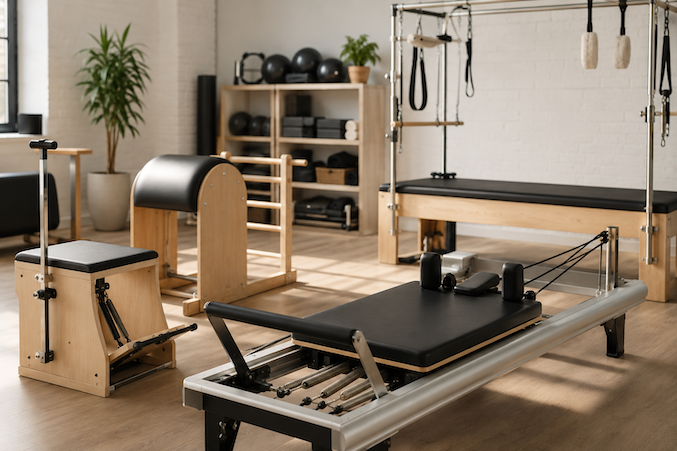
At ChaiseFitness, clients have access to a variety of Pilates equipment, including the Reformer, Cadillac, Chair, and Ladder Barrel. Each piece serves a unique purpose while supporting the core principles of alignment, control, and mindful movement.
The Reformer: Precision Through Resistance
The Pilates Reformer is one of the most versatile pieces of Pilates equipment. Using a system of springs, straps, and a sliding carriage, the Reformer provides adjustable resistance that challenges the body while guiding movement patterns. Because the carriage moves in a controlled path, users receive instant feedback when their alignment shifts or their movement becomes uneven.
The Reformer helps strengthen deep core muscles, improve spinal alignment, and correct muscle imbalances. Exercises performed on the machine encourage balanced muscle engagement, allowing participants to develop greater stability and control throughout the body. The result is improved posture, enhanced body awareness, and more efficient movement both inside and outside the studio.
The Cadillac and Ladder Barrel: Improving Mobility and Posture
The Cadillac and Ladder Barrel provide unique opportunities to improve flexibility, spinal mobility, and postural alignment. These apparatuses support controlled stretching and strengthening exercises that help lengthen tight muscles while reinforcing proper positioning.
For individuals who spend much of the day seated, these pieces of equipment can help counteract common postural issues by encouraging spinal extension, shoulder mobility, and core engagement. Improved mobility allows the body to move more freely while maintaining proper alignment throughout daily activities.
The Chair: Building Stability and Balance
The Pilates Chair offers a challenging yet supportive environment for developing balance, coordination, and stability. Because many Chair exercises require participants to stabilize their bodies while moving against resistance, the equipment helps activate deep stabilizing muscles that are often overlooked in traditional workouts.
Chair-based Pilates encourages proper spinal alignment and reinforces awareness of body positioning. This increased proprioception—the body's awareness of where it is in space—can significantly improve movement quality and reduce compensatory patterns that contribute to poor posture.
Immediate Feedback Creates Better Habits
One of the greatest advantages of Pilates equipment is the feedback it provides. Unlike many forms of exercise where improper movement may go unnoticed, Pilates apparatus often reveals alignment issues immediately. Springs, straps, and moving surfaces help practitioners recognize when they are favoring one side of the body, collapsing through the spine, or losing core engagement.
This feedback helps clients develop a stronger mind-body connection and reinforces proper movement patterns over time. As awareness improves, those healthy habits naturally carry over into everyday activities such as sitting, standing, walking, and lifting.
Why Choose ChaiseFitness
For more than 15 years, ChaiseFitness has helped New Yorkers build stronger, healthier bodies through contemporary Pilates instruction. The studio offers private Pilates sessions utilizing the Reformer, Cadillac, Chair, and Ladder Barrel, as well as small group classes through its innovative Reinvention Method. The focus is always on helping clients improve core strength, alignment, and overall movement quality in a supportive and results-driven environment.
Pilates equipment is much more than a collection of machines—it is a powerful tool for improving alignment, refining form, and creating lasting movement habits. By providing support, resistance, and real-time feedback, Pilates apparatus helps individuals move with greater precision, strengthen key stabilizing muscles, and develop better posture.
Whether your goal is injury prevention, improved athletic performance, or simply moving through life with less discomfort, Pilates equipment can help you achieve it. At ChaiseFitness, expert instructors and specialized apparatus work together to help every client build a stronger foundation for healthier movement and long-term wellness.

Why Pilates Is Ideal for Maintaining Strength as You Age
Aging is a natural part of life, but losing strength, mobility, and balance doesn’t have to be. Staying active is one of the most effective ways to support long-term health, and Pilates has become one of the most popular exercise methods for adults looking to maintain strength and independence as they age. Unlike high-impact workouts that can place stress on joints and connective tissues, Pilates offers a low-impact, full-body approach that builds functional strength, improves flexibility, and enhances overall movement quality.
At ChaiseFitness, Pilates is elevated through innovative movement techniques that challenge the body while remaining accessible for a wide range of fitness levels. Whether you are in your 40s, 50s, 60s, or beyond, Pilates can help you stay strong, confident, and active for years to come.
Combatting Age-Related Muscle Loss
One of the biggest physical changes associated with aging is sarcopenia, the gradual loss of muscle mass and strength. This process can begin as early as your 30s and accelerates with age if strength-building activities are not part of your routine.
Pilates helps counteract this decline by engaging multiple muscle groups simultaneously through controlled resistance and bodyweight exercises. Rather than isolating a single muscle, Pilates trains the body to work as an integrated system. This approach develops strength throughout the core, hips, legs, arms, and back, supporting the movements you perform every day. Research has shown that Pilates can improve strength, mobility, and overall functional capacity in older adults.
Building Functional Strength for Everyday Life
Maintaining strength is about more than lifting heavier weights. As we age, functional strength becomes increasingly important because it affects our ability to perform daily activities such as carrying groceries, climbing stairs, getting out of a chair, and maintaining good posture.
Pilates focuses on movements that mimic real-life activities, helping participants develop stability, coordination, and control. By strengthening deep core muscles and stabilizing muscles around the joints, Pilates improves movement efficiency and reduces unnecessary strain on the body. This makes everyday tasks feel easier while supporting long-term independence.
At ChaiseFitness, workouts incorporate resistance bands, overhead bungees, and chair-based exercises that challenge the body through multiple planes of motion. This unique approach helps members develop strength that translates directly into daily life.
Improving Balance and Reducing Fall Risk
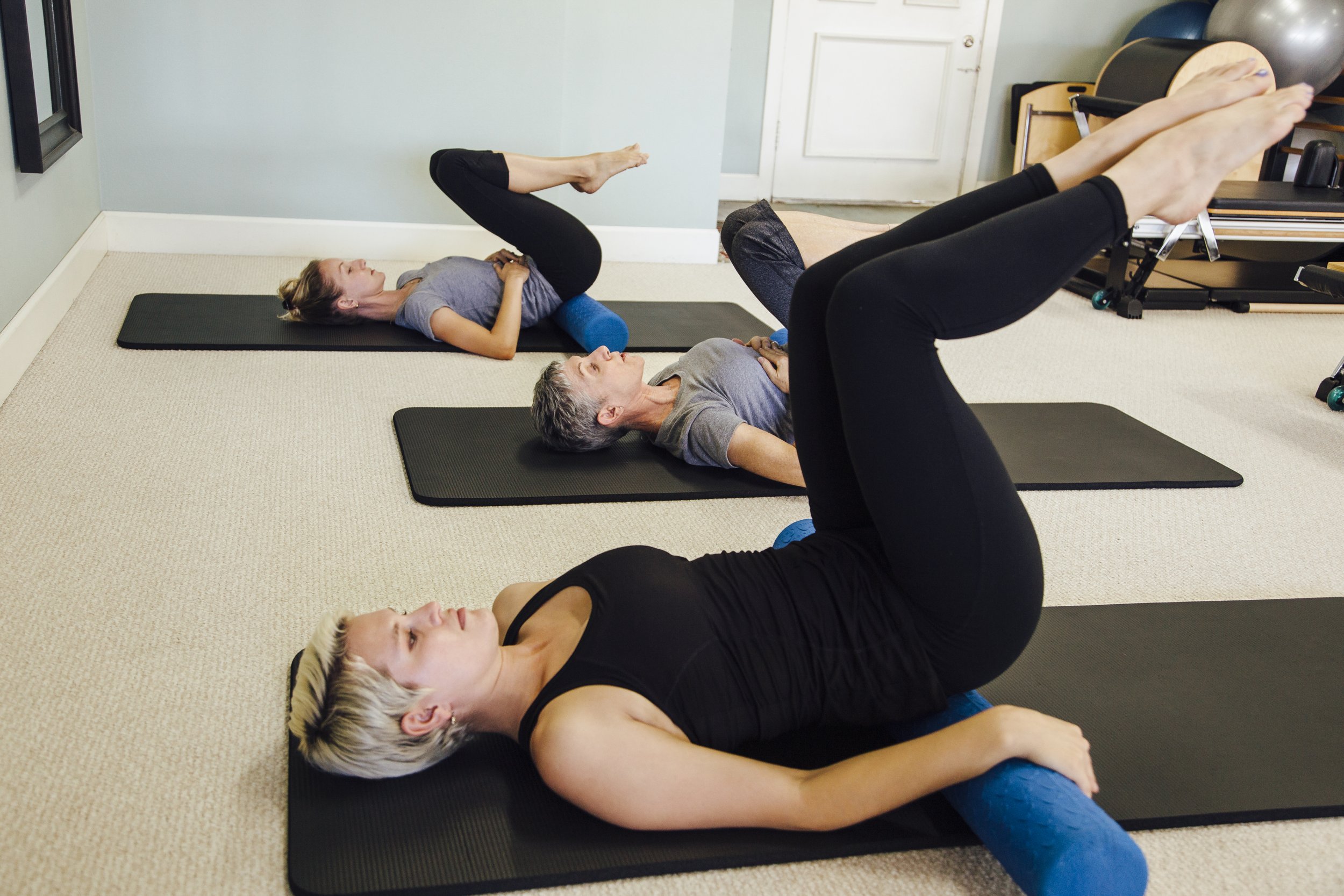
Falls become a significant health concern as people age. Reduced muscle strength, slower reaction times, and declining balance can increase the likelihood of falls and related injuries.
Pilates is particularly effective because it strengthens the muscles responsible for maintaining balance while improving body awareness. Research suggests that Pilates can enhance balance, gait, and stability, helping older adults move with greater confidence and reducing the risk of falls.
Many Pilates exercises require controlled movement and precise positioning, which trains the body to respond more effectively to changes in direction and posture. Over time, these improvements can contribute to greater confidence during everyday activities.
Supporting Joint Health and Mobility
Many traditional forms of exercise become more challenging with age because they place excessive stress on joints. Pilates offers a low-impact alternative that strengthens muscles while promoting joint mobility and flexibility.
Instead of repetitive pounding or heavy loading, Pilates uses controlled movements that encourage healthy range of motion. This combination of strength and flexibility can help reduce stiffness, improve posture, and support comfortable movement throughout the day. Studies have shown that Pilates can significantly improve mobility and functional movement in older adults.
The result is a body that feels stronger, moves more freely, and is better equipped to handle the physical demands of everyday life.
Strengthening the Core for Long-Term Wellness
Core strength is one of the foundations of healthy aging. A strong core supports the spine, improves posture, enhances balance, and reduces strain on the lower back.
Pilates is renowned for its emphasis on core training. Every movement is designed to engage the deep abdominal muscles, pelvic floor, and muscles surrounding the spine. This creates a stable foundation for movement and helps protect the body from injury. Research has also linked Pilates to improvements in back pain, posture, and overall physical function.
Age Stronger with ChaiseFitness
Growing older does not mean accepting a decline in strength or mobility. Pilates offers a safe, effective, and enjoyable way to maintain physical fitness while supporting overall well-being. By improving strength, balance, flexibility, posture, and functional movement, Pilates helps individuals stay active and independent at every stage of life.
At ChaiseFitness, our signature approach combines the proven benefits of Pilates with innovative equipment and dynamic movement patterns that keep workouts engaging and effective. Whether you are new to fitness or looking for a sustainable way to stay strong as you age, Pilates can provide the foundation for a healthier and more active future.
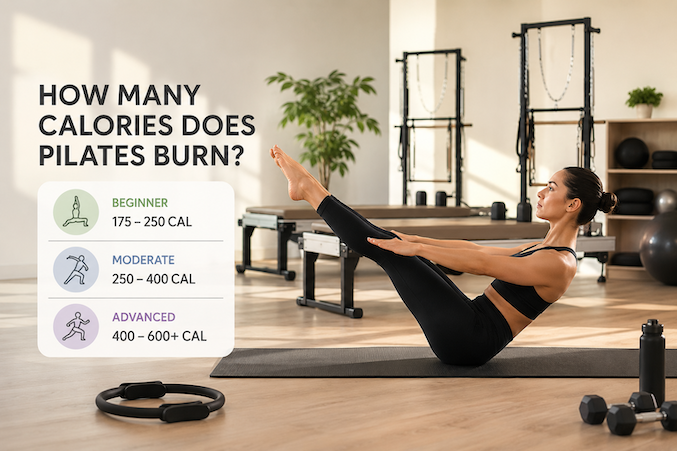
How Many Calories Does Pilates Burn?
If you're considering Pilates as part of your fitness routine, one of the most common questions you may have is: How many calories does Pilates burn? While many people associate calorie-burning workouts with high-intensity cardio, Pilates offers a unique combination of strength training, flexibility, balance, and core conditioning that can contribute significantly to overall fitness and weight management.
At ChaiseFitness, Pilates-inspired workouts take traditional Pilates principles to the next level by combining resistance training, cardio elements, and full-body movement patterns. Understanding how calorie burn works during Pilates can help you set realistic fitness goals and appreciate the many benefits this effective exercise method provides.
Average Calories Burned During Pilates
The number of calories burned during a Pilates workout depends on several factors, including your weight, fitness level, workout intensity, and class format.
On average:
A beginner Pilates session may burn between 175 and 250 calories per hour.
A moderate-intensity Pilates class can burn approximately 250 to 400 calories per hour.
More advanced or cardio-focused Pilates workouts may burn 400 to 600 calories or more per hour.
Traditional mat Pilates generally burns fewer calories than dynamic Pilates classes that incorporate resistance equipment, standing exercises, and cardiovascular intervals.
Factors That Affect Calorie Burn
Body Weight
People with higher body weights typically burn more calories during exercise because their bodies require more energy to perform movements. For example, a person weighing 180 pounds will generally burn more calories during the same Pilates session than someone weighing 130 pounds.
Workout Intensity
Not all Pilates classes are created equal. Gentle beginner sessions focus heavily on form, breathing, and foundational movements. Advanced classes often involve continuous movement, increased resistance, and more challenging exercises that elevate the heart rate and increase calorie expenditure.
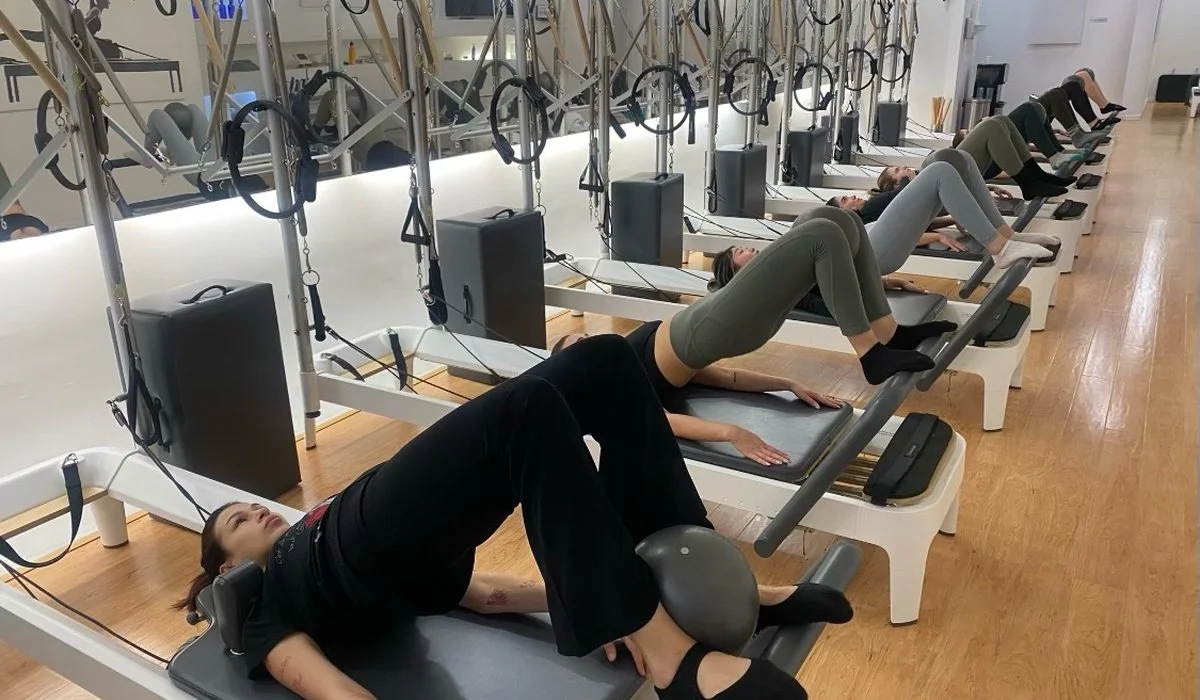
Muscle Engagement
Pilates is known for activating multiple muscle groups simultaneously. Core muscles, glutes, legs, back, and arms work together throughout the workout. The more muscles engaged during exercise, the more calories your body uses.
Duration of Exercise
Naturally, longer workouts result in greater calorie burn. While many Pilates classes last 45 to 60 minutes, consistency over time has a greater impact on fitness results than any single workout.
Pilates and the Afterburn Effect
One often-overlooked benefit of Pilates is its ability to increase lean muscle mass. Muscle tissue burns more calories at rest than fat tissue, meaning that regular Pilates practice may help improve your metabolism over time.
While Pilates doesn't create the same afterburn effect as extremely intense interval training, challenging Pilates workouts can continue to stimulate calorie expenditure even after your session ends. Strengthening muscles and improving body composition contribute to long-term calorie-burning benefits.
How ChaiseFitness Helps Maximize Calorie Burn
At ChaiseFitness, workouts are designed to deliver more than traditional Pilates alone. The signature approach combines Pilates fundamentals with resistance training, dance-inspired movements, and cardio intervals that challenge the entire body.
By incorporating elevated heart-rate training alongside core-focused exercises, participants can enjoy:
Increased calorie burn during workouts
Improved muscular endurance
Enhanced flexibility and mobility
Better posture and alignment
Greater core strength
Full-body toning and sculpting
This innovative fitness method allows clients to experience the benefits of Pilates while achieving a more dynamic and efficient workout.
Is Pilates Good for Weight Loss?
Pilates can absolutely support weight-loss goals when combined with a balanced nutrition plan and consistent exercise schedule. Although calorie burn is one important factor, Pilates offers several additional benefits that contribute to sustainable weight management.
Regular Pilates practice can help:
Build lean muscle mass
Improve movement efficiency
Increase overall activity levels
Reduce stress-related eating behaviors
Enhance body awareness
Support healthy posture and mobility
Many individuals find Pilates easier to maintain long-term compared to high-impact workout programs because it is gentle on the joints while still delivering meaningful fitness results.
Beyond Calories: Why Pilates Is Worth It
While it's natural to focus on calorie burn, Pilates offers benefits that extend far beyond the number displayed on a fitness tracker. Improved strength, flexibility, balance, coordination, and body control all contribute to a healthier and more functional lifestyle.
Many people discover that Pilates helps them move better in daily activities, reduces aches and pains, and builds confidence through improved physical performance. These advantages often lead to increased participation in other forms of exercise, further supporting long-term health and fitness goals.
So, how many calories does Pilates burn? Depending on the style and intensity of the workout, you can expect to burn anywhere from 175 to 600 or more calories per session. More importantly, Pilates helps build strength, improve flexibility, and develop lean muscle that supports ongoing calorie expenditure.
At ChaiseFitness, members experience a unique fusion of Pilates, strength training, and cardio designed to maximize results while keeping workouts engaging and effective. Whether your goal is weight management, improved fitness, or total-body transformation, Pilates-inspired training can be an excellent addition to your wellness journey.
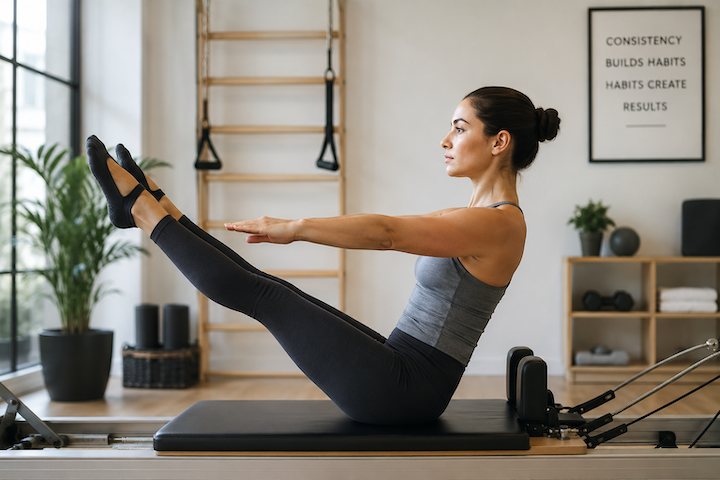
Why Consistency Matters More Than Workout Intensity
When it comes to fitness, many people believe the harder the workout, the better the results. High-intensity routines, exhausting cardio sessions, and “no pain, no gain” mentalities often dominate the fitness world. But at ChaiseFitness, we believe lasting results come from something much more sustainable: consistency.
While intense workouts can absolutely have their place, they are not the secret to long-term strength, mobility, posture, or overall wellness. The real key is showing up regularly, building healthy movement habits, and giving your body time to adapt and improve over time.
Fitness Results Are Built Through Repetition
One of the biggest misconceptions in fitness is that a few extremely difficult workouts can make up for inconsistency. In reality, your body responds best to repeated, consistent movement patterns. Pilates especially thrives on repetition, control, and gradual progress.
At ChaiseFitness, our Pilates-based Reinvention Method blends strength training, ballet-inspired movement, resistance work, and cardio into a low-impact but highly effective workout system. Instead of shocking your body with extreme intensity, our classes focus on controlled, mindful movement that strengthens your body over time.
This approach allows clients to build strength safely and sustainably without the burnout that often comes with overly intense fitness routines.
Consistency Creates Sustainable Habits
One reason intense workout programs fail is because they are difficult to maintain long term. If every workout leaves you exhausted, sore, or mentally drained, it becomes harder to stay motivated week after week.
Consistency works because it creates a routine your body and mind can realistically maintain. Even moderate workouts performed regularly can lead to significant improvements in:
Core strength
Flexibility
Posture
Balance and coordination
Endurance
Stress reduction
Muscle tone
ChaiseFitness emphasizes workouts that challenge you while still being approachable and adaptable for different fitness levels. Whether you are a beginner, athlete, recovering from injury, or returning to fitness after time away, consistency allows your body to progress naturally without unnecessary strain.

Your Body Needs Time to Adapt
Real fitness progress does not happen overnight. Muscles strengthen gradually. Flexibility improves little by little. Posture changes through repeated practice and awareness.
This is especially true in Pilates, where many benefits develop beneath the surface before they become visibly noticeable. According to ChaiseFitness, regular Pilates practice strengthens deep stabilizing muscles, improves spinal alignment, and enhances body awareness over time.
Many people quit too early because they expect dramatic results immediately. But the truth is that sustainable transformation comes from cumulative effort. A workout routine you can maintain for months and years will always outperform a short burst of extreme intensity followed by burnout or injury.
Lower Intensity Often Means Better Recovery
Another overlooked benefit of consistent, balanced workouts is improved recovery. Extremely intense exercise every day can increase stress hormones, fatigue, soreness, and even injury risk. In contrast, controlled movement practices like Pilates encourage strength and recovery simultaneously.
At ChaiseFitness, classes are designed to strengthen while also supporting flexibility, mobility, and joint health. The use of resistance bands, Pilates chairs, and overhead bungees creates full-body engagement without the harsh impact associated with many traditional workouts.
This makes it easier for clients to maintain a regular fitness schedule because they are not constantly battling exhaustion or discomfort.
Consistency Builds a Stronger Mind-Body Connection
Fitness is not only physical. Consistent movement also improves mental focus, confidence, and emotional well-being.
Pilates emphasizes mindful breathing, alignment, concentration, and controlled movement. Over time, these habits create greater awareness of how your body moves and feels.
Many ChaiseFitness clients discover that regular practice helps reduce stress while improving energy and posture in daily life. Instead of chasing the feeling of being completely exhausted after every workout, they begin to value how movement makes them feel stronger, more capable, and more balanced overall.
Small Steps Lead to Big Results
Fitness success does not require perfection. It requires consistency.
Two or three workouts each week done consistently will often produce better long-term results than occasional bursts of extreme training. In fact, ChaiseFitness recommends regular weekly sessions because sustainable repetition helps clients safely build strength, improve flexibility, and maintain motivation.
The goal is not to punish your body with intensity. The goal is to create a movement practice that supports your lifestyle and keeps you progressing.
Why ChaiseFitness Focuses on Sustainable Movement
At ChaiseFitness, we believe fitness should strengthen your body while also fitting into your life. Our signature classes combine Pilates fundamentals with innovative equipment and functional movement to create workouts that are challenging, effective, and sustainable.
Consistency matters more than intensity because real wellness is built over time. By committing to regular movement, proper form, and mindful training, you create lasting results that support your strength, posture, mobility, and overall health for years to come.
No matter where you are on your fitness journey, remember this: the best workout is the one you can continue showing up for consistently.
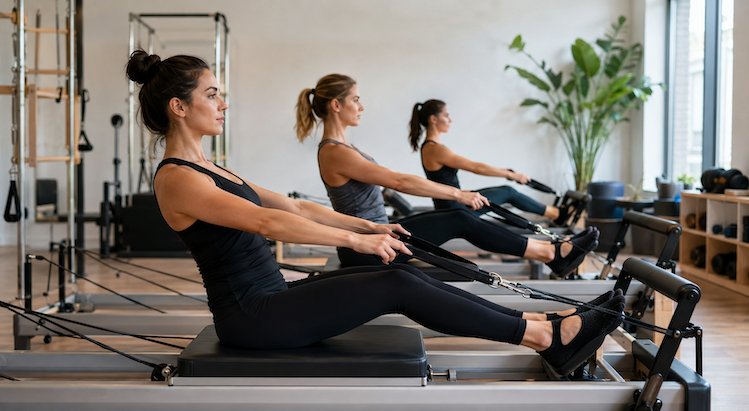
How to Choose the Best Pilates Studio Near You
Finding the right Pilates studio can make all the difference in your fitness journey. Whether you are brand new to Pilates or looking to elevate your current routine, choosing a studio that matches your goals, experience level, and lifestyle is essential. With so many options available, it can feel overwhelming to decide where to begin. If you are searching for the best Pilates studio near you, understanding what separates an average studio from an exceptional one will help you make the right choice.
At ChaiseFitness, clients experience a contemporary approach to Pilates that combines personalized instruction, innovative workouts, and a welcoming community designed for all fitness levels. Located on Manhattan’s Upper East Side, ChaiseFitness has helped clients build strength, flexibility, and confidence for over 15 years.
Look for Certified and Experienced Instructors
One of the most important factors when choosing a Pilates studio is the quality of the instructors. Pilates is built on precise movement, posture, alignment, and controlled breathing. A knowledgeable instructor ensures exercises are performed safely and effectively while tailoring movements to your fitness level and physical needs.
At ChaiseFitness, instructors complete comprehensive Pilates mat and apparatus certifications and bring diverse movement backgrounds ranging from dance to athletic training. This level of expertise helps clients receive individualized guidance that improves both performance and injury prevention.
When researching studios, ask questions such as:
Are instructors fully certified?
Do they have experience working with beginners or injuries?
Are classes personalized or one-size-fits-all?
Do instructors offer hands-on corrections and support?
A strong instructor can turn Pilates from a basic workout into a transformative experience.
Consider the Variety of Classes and Equipment
Not all Pilates studios offer the same experience. Some focus only on mat classes, while others provide access to reformers, Cadillacs, chairs, TRX systems, and specialized equipment. Choosing a studio with a range of options keeps workouts engaging and allows you to progress over time.
ChaiseFitness stands out by offering private Pilates sessions, reformer training, TRX suspension work, and its patented Reinvention Method, which combines overhead bungees, resistance bands, and Pilates fundamentals. This innovative approach helps clients challenge different muscle groups while improving balance, posture, and core strength.
If you want long-term results, look for a studio that provides:
Private and group class options
Beginner and advanced classes
Multiple equipment styles
Functional strength and flexibility training
Workout variety to avoid burnout
A studio with diverse programming can help you stay motivated and consistent
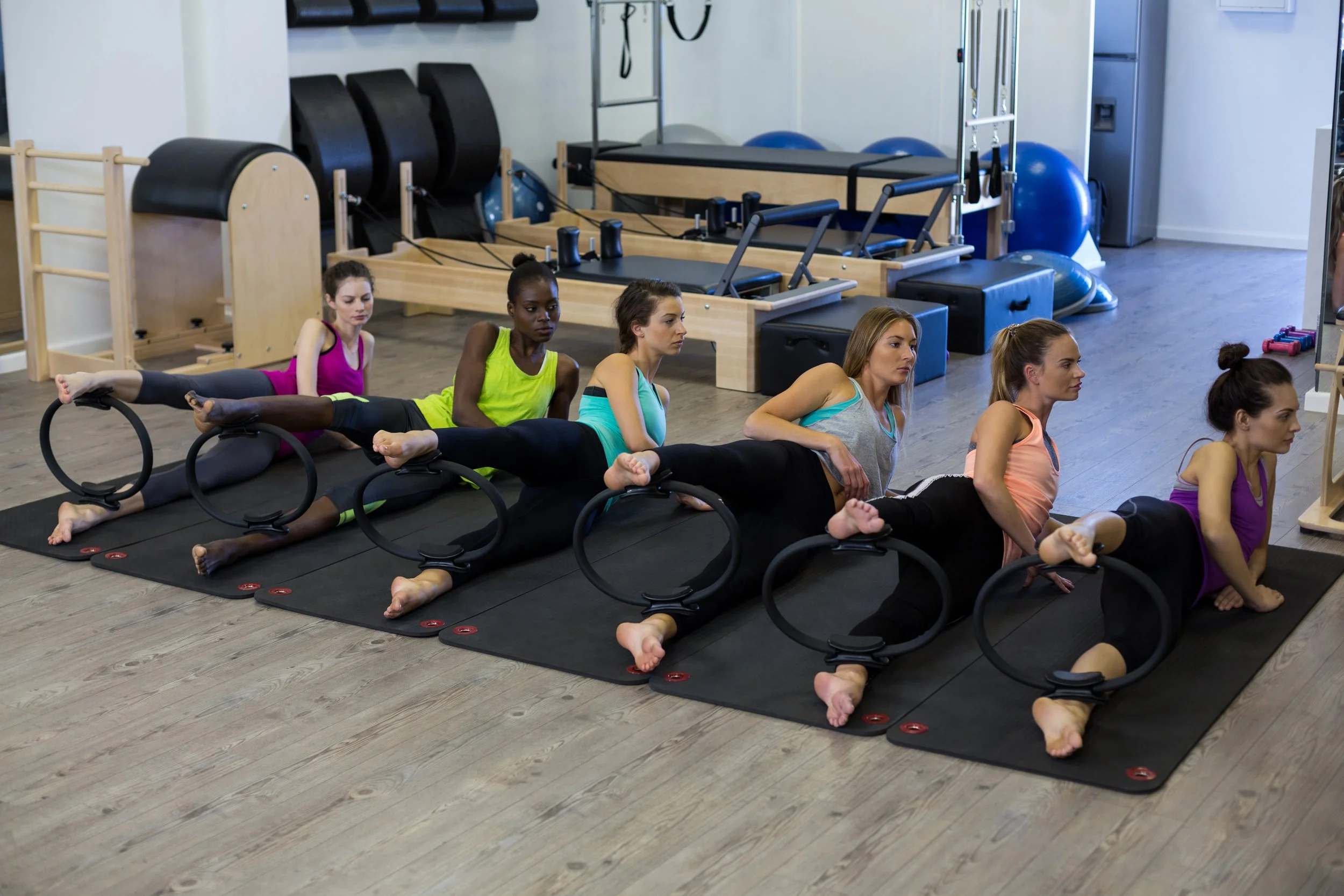
Pay Attention to Class Size
Smaller class sizes often lead to a better Pilates experience. Large classes may limit the instructor’s ability to correct form or provide personal attention, which is especially important for beginners.
ChaiseFitness keeps classes intentionally small to ensure individualized corrections and a focus on proper technique. Personalized attention allows clients to move safely while maximizing the benefits of each session.
Many fitness enthusiasts on Reddit also highlight the importance of small class environments and experienced instructors when evaluating Pilates studios in New York City.
Before joining a studio, ask:
How many people are typically in a class?
Will the instructor provide modifications?
Is there personalized attention during sessions?
Smaller groups can create a more comfortable and supportive learning environment.
Evaluate the Studio Atmosphere
The atmosphere of a Pilates studio matters more than many people realize. Some studios can feel intimidating or overly competitive, while others foster encouragement, positivity, and community.
ChaiseFitness emphasizes an inclusive environment where Pilates is truly for everyone, regardless of age, experience, or fitness background. Whether someone is recovering from an injury, improving athletic performance, or beginning a wellness journey, the studio focuses on helping clients feel comfortable and empowered.
When touring a studio, pay attention to:
Cleanliness and organization
Staff friendliness
Overall energy and vibe
Whether instructors seem approachable
How current clients interact with one another
A welcoming atmosphere can make it easier to stay committed to your fitness goals.
Read Reviews and Testimonials
Online reviews can provide valuable insight into the client experience. Look beyond star ratings and focus on recurring themes such as instructor quality, cleanliness, professionalism, and results. ChaiseFitness clients consistently praise the studio’s knowledgeable instructors, supportive staff, and effective workouts. Testimonials mention improved flexibility, strength, mobility, and long-term fitness success. Community discussions online also show that many Pilates enthusiasts value studios that prioritize authentic instruction, personalized guidance, and quality over trends.
Choose a Studio That Aligns With Your Goals
Every person has different fitness objectives. Some may want rehabilitation support, while others are focused on athletic conditioning, flexibility, posture improvement, or weight management. The best Pilates studio for you is one that aligns with your personal goals and adapts as those goals evolve.
At ChaiseFitness’ Manhattan Pilates Studio, workouts are customized to fit each client’s needs and progress over time. The combination of traditional Pilates principles with innovative training methods helps clients achieve sustainable, full-body results.
If you are searching for the best Pilates studio near you, prioritize expert instruction, personalized attention, class variety, and a welcoming atmosphere. A studio that supports your goals while keeping workouts engaging can help you stay consistent and enjoy long-term success.
To learn more about classes, private sessions, and the Reinvention Method, visit ChaiseFitness Official Website.
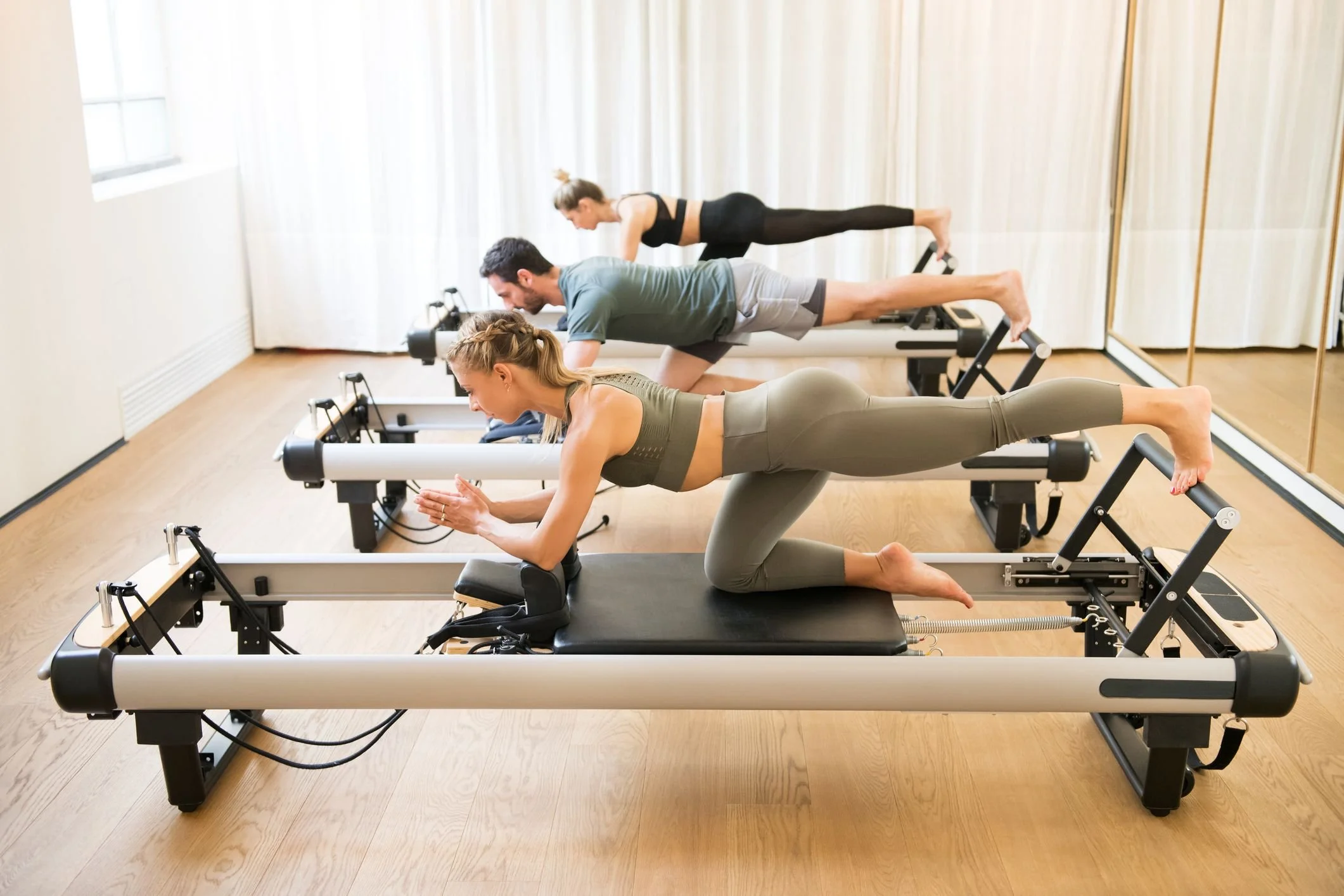
Breathing Techniques in Pilates: Why They Matter More Than You Think
At first glance, breathing might seem like the most automatic part of Pilates—something your body simply does without instruction. But in reality, breath is one of the most powerful tools in the entire method. In fact, mastering breathing techniques can transform your Pilates practice from a series of exercises into a deeply connected, full-body experience.
At ChaiseFitness, breath is treated as a foundational element of movement—not an afterthought. Whether you're new to Pilates or have been practicing for years, understanding how and why you breathe can dramatically change your strength, control, and results.
Why Breathing Is Central to Pilates
Pilates isn’t just about flexibility or core strength—it’s about precision and control. Breath acts as the bridge between your mind and your muscles. When used correctly, it helps activate deeper core muscles, stabilize the spine, and improve overall movement efficiency.
In traditional Pilates, the breath is typically coordinated with movement: you inhale to prepare and expand, then exhale during exertion. This isn’t arbitrary—it’s designed to help you engage your core at the right time and reduce unnecessary tension in the body.
When breath is ignored or shallow, movements become less efficient. You may rely on superficial muscles instead of engaging deeper stabilizers like the transverse abdominis and pelvic floor. Over time, this can limit progress and even lead to strain or imbalance.
The Mechanics of Pilates Breathing
Pilates typically uses a technique called lateral or “rib cage” breathing. Unlike shallow chest breathing or deep belly breathing, lateral breathing encourages expansion of the ribcage outward and sideways while keeping the core gently engaged.
Here’s what happens when you breathe this way:
Inhale: The ribs expand outward and upward, allowing the lungs to fill without pushing the belly out excessively.
Exhale: The ribs naturally draw inward, and the deep abdominal muscles activate to support movement and spinal stability.
This coordinated action helps maintain core engagement throughout each exercise, rather than turning core activation on and off.
How Breath Enhances Core Activation
One of the most overlooked benefits of proper Pilates breathing is its direct connection to core strength. Many people assume that core engagement simply means “sucking in the stomach,” but true engagement is far more dynamic.
When you exhale during exertion in Pilates, you naturally recruit deeper abdominal muscles. This creates a built-in support system for the spine, allowing you to move more efficiently and safely.
For example, during exercises like the Hundred or leg lifts, exhaling through effort helps stabilize your torso while your limbs move freely. Without this coordination, the body often compensates by overusing the neck, shoulders, or lower back.
Breathing and Stress Reduction
Beyond physical performance, Pilates breathing has a powerful effect on the nervous system. Controlled, intentional breathing helps shift the body out of a stress response and into a more focused, regulated state.
Shallow breathing is often associated with stress and tension. In contrast, rhythmic, controlled breathing signals to the brain that the body is safe, allowing muscles to relax and movement to become more fluid.
This is one reason many people leave a Pilates session feeling not only stronger but also mentally reset. The breath is doing more than fueling movement—it’s calming the entire system.
Common Breathing Mistakes in Pilates
Even experienced practitioners can fall into habits that limit the effectiveness of their breath. Some common mistakes include:
Holding the breath during difficult movements
Over-inflating the belly instead of expanding the ribs
Breathing too shallowly from the upper chest
Disconnecting breath from movement entirely
These patterns can reduce core engagement and make exercises feel harder than they need to be. The goal is not more effort, but smarter, more coordinated effort.
How to Improve Your Pilates Breathing
Improving your breath awareness doesn’t require complicated drills. It starts with intention.
Try this simple approach during your next practice:
Inhale through the nose, allowing your ribs to expand outward.
Exhale through the mouth as if gently fogging a mirror.
On the exhale, imagine your ribs knitting together and your core lifting inward.
Match each movement with your breath—effort on the exhale, preparation on the inhale.
With repetition, this pattern becomes second nature, and your movements will begin to feel more controlled and supported.
The ChaiseFitness Approach
At ChaiseFitness, breath is not treated as background instruction—it is woven into every movement. This integration allows clients to access deeper strength, improve posture, and move with greater efficiency both inside and outside the studio.
By learning how to properly use breath as a tool, practitioners often discover that exercises become smoother, more intentional, and significantly more effective. It’s not about working harder—it’s about working smarter, with breath guiding the way.
Breathing in Pilates is far more than a technical detail—it is the foundation that supports every movement. When you learn to coordinate breath with precision, you unlock better core engagement, improved stability, reduced tension, and a more mindful practice overall.
It may seem subtle at first, but once you experience the difference, it becomes impossible to ignore.
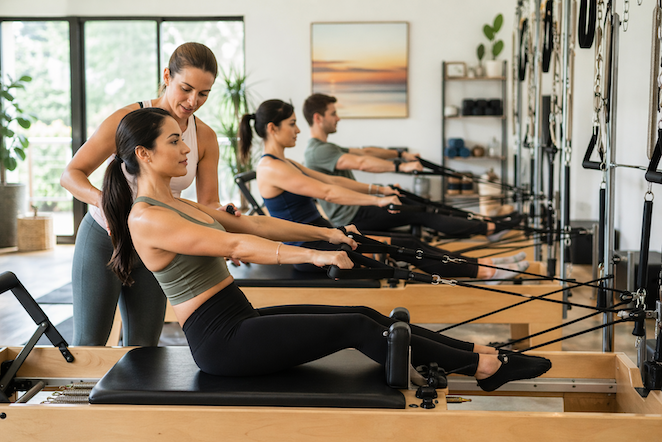
Why Small Group Pilates Classes Deliver Better Results
When it comes to achieving meaningful, lasting fitness results, not all Pilates classes are created equal. While large group sessions may offer convenience, small group Pilates classes—like those offered at ChaiseFitness—provide a more effective, personalized, and results-driven experience. By combining expert instruction with individualized attention and a supportive environment, small group training bridges the gap between private sessions and traditional group fitness. Here’s why small group Pilates classes consistently deliver better results.
Personalized Attention Leads to Better Form
One of the most important aspects of Pilates is precision. Every movement is designed to engage specific muscles, improve alignment, and build core strength. In a large class, it’s easy for improper form to go unnoticed. Over time, this can limit results—or worse, lead to injury.
In a small group setting, instructors can closely monitor each participant and provide real-time corrections. This hands-on guidance ensures that every movement is performed correctly and effectively. Research highlights that Pilates relies heavily on principles like control, precision, and alignment to deliver its full benefits.
With fewer participants, instructors at studios like ChaiseFitness can fine-tune your technique, helping you get more out of every session.
Customized Workouts for Individual Goals
No two bodies are the same, and fitness goals can vary widely—from improving flexibility and posture to recovering from injury or building strength. Small group Pilates classes allow for tailored modifications and progressions that suit each individual.
Instructors can adjust resistance, suggest alternative movements, or advance exercises based on your ability level. This level of customization ensures that you’re always challenged—but never overwhelmed. According to Pilates professionals, smaller classes make it easier to design workouts that align with each participant’s unique needs and goals.
At ChaiseFitness, this means you’re not just following a routine—you’re following a program designed to help you succeed.

Faster Progress and Measurable Results
Because of the personalized attention and tailored programming, participants in small group classes often see faster progress. You’re able to build strength, improve flexibility, and enhance balance more efficiently when exercises are performed correctly and consistently.
Scientific studies show that Pilates can improve flexibility, balance, muscular endurance, and overall physical function. When combined with the focused environment of a small group, these benefits are amplified.
Instead of plateauing in a crowded class, you continue progressing—session after session.
Safer Workouts with Reduced Risk of Injury
Safety is a major factor in any fitness program, especially for those new to exercise or recovering from injuries. Small group Pilates classes offer a safer environment because instructors can quickly identify and correct improper movement patterns.
Close supervision helps prevent strain and ensures proper alignment throughout each exercise. Experts emphasize that smaller class sizes improve safety by allowing instructors to catch issues early and guide participants more effectively. This is particularly important in reformer-based Pilates, where proper setup and technique are essential.
Stronger Mind-Body Connection
Pilates is more than just a workout—it’s a mind-body practice. The ability to focus on breathing, movement, and muscle engagement is key to unlocking its full benefits.
In a small group setting, there are fewer distractions, making it easier to concentrate and stay present. This heightened awareness improves coordination, control, and overall performance. Over time, it also enhances posture, stability, and daily movement patterns.
With guided attention from experienced instructors, you develop a deeper connection to your body—something that’s difficult to achieve in a crowded class.
A Supportive and Motivating Environment
While personalized instruction is a major advantage, small group classes also foster a sense of community. You’re surrounded by like-minded individuals who share similar goals, creating a supportive and motivating atmosphere.
Unlike large classes where participants may feel anonymous, small groups encourage interaction, accountability, and encouragement. This sense of connection can significantly improve consistency—one of the most important factors in achieving long-term results.
Research on exercise behavior shows that adherence plays a critical role in overall health outcomes, and supportive group environments can help individuals stay committed.
The Perfect Balance Between Private and Group Training
Private Pilates sessions offer maximum personalization, but they can be costly. Large group classes are more affordable but often lack individual attention. Small group Pilates classes strike the perfect balance.
At ChaiseFitness, you get the benefits of expert coaching, customized instruction, and a welcoming environment—all at a more accessible price point than one-on-one training.
Experience the Difference at ChaiseFitness
If you’re looking to maximize your results, improve your technique, and enjoy a more engaging workout experience, small group Pilates classes are the way to go. With focused instruction, tailored programming, and a strong sense of community, they offer everything you need to succeed.
ChaiseFitness is dedicated to delivering high-quality Pilates training in an intimate setting, helping you move better, feel stronger, and achieve your fitness goals faster.
Ready to see the difference for yourself? A small group Pilates class might be exactly what your routine has been missing.
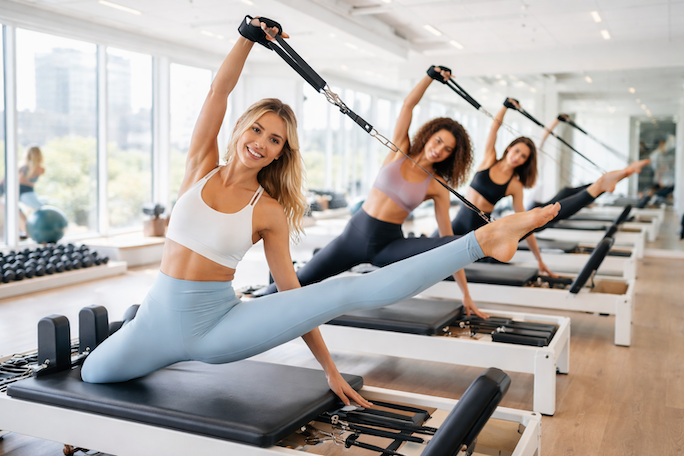
Why Pilates Is One of the Fastest Growing Fitness Trends
In today’s ever-evolving fitness landscape, few workout methods have experienced the kind of explosive growth that Pilates has in recent years. Once considered a niche exercise reserved for dancers and rehabilitation patients, Pilates has transformed into a global phenomenon embraced by people of all ages and fitness levels. For innovative studios like ChaiseFitness, this surge in popularity reflects a broader shift in how people approach health, wellness, and movement.
A Shift Toward Smarter, Low-Impact Fitness
One of the biggest reasons Pilates is growing so rapidly is the increasing demand for low-impact yet highly effective workouts. Unlike high-intensity training programs that can strain joints and lead to burnout, Pilates focuses on controlled, intentional movements that build strength without unnecessary stress on the body.
Modern fitness enthusiasts are no longer chasing exhaustion—they’re seeking sustainability. Pilates delivers exactly that. It strengthens the core, improves flexibility, and enhances posture while minimizing the risk of injury. This makes it especially appealing to beginners, older adults, and even seasoned athletes looking to balance intense training with recovery-based movement.
The Rise of Mind-Body Wellness
Another major driver behind Pilates’ popularity is the growing emphasis on mind-body connection. In a fast-paced, high-stress world, people are prioritizing workouts that not only improve physical health but also support mental well-being.
Pilates incorporates breath control, concentration, and precise movement patterns, creating a workout that feels both grounding and empowering. This aligns perfectly with the broader wellness movement, where mindfulness and stress reduction are just as important as physical results.
Studios like ChaiseFitness take this concept even further by blending Pilates with dynamic, engaging formats—offering a workout that is as mentally stimulating as it is physically effective.

Proven Growth and Popularity
The numbers tell a compelling story. Pilates isn’t just trending—it’s booming. Participation has increased by nearly 40% in recent years, with millions of new practitioners joining worldwide.
In fact, Pilates was ranked the most popular workout on ClassPass in 2023, surpassing even long-standing favorites like yoga and HIIT.
The industry itself is expanding at an incredible pace. Thousands of new studios have opened across the United States, and a significant percentage report full classes and growing demand for instructors.
This sustained growth shows that Pilates is more than just a passing trend—it’s becoming a foundational part of modern fitness.
Social Media and Accessibility
Social media has played a major role in Pilates’ resurgence. Platforms like Instagram, TikTok, and YouTube have made Pilates more visible and accessible than ever before. From short workout clips to full-length classes, users can easily discover and try Pilates from anywhere.
This digital exposure has helped reshape Pilates’ image. What was once seen as exclusive is now widely recognized as approachable and adaptable. Whether someone prefers in-studio sessions or at-home workouts, Pilates offers flexibility that fits today’s busy lifestyles.
Versatility for Every Body
Another reason Pilates continues to gain traction is its incredible versatility. It can be tailored to meet a wide range of goals, including:
Strength building
Injury rehabilitation
Improved posture and alignment
Core stability and balance
Athletic performance enhancement
Because of this adaptability, Pilates attracts a diverse audience—from beginners to elite athletes. It’s also widely used in physical therapy and rehabilitation settings, further reinforcing its reputation as a safe and effective exercise method.
At ChaiseFitness, this versatility is elevated through innovative programming that combines Pilates principles with cardio and strength elements, creating a truly unique full-body workout experience.
Long-Term Results and High Retention
Unlike many fitness trends that fade quickly, Pilates has remarkable staying power. Studies show that a high percentage of participants stick with Pilates long-term, largely because they see and feel consistent results.
Rather than chasing quick fixes, Pilates promotes gradual, sustainable progress. Clients often report improved posture, reduced pain, increased flexibility, and greater overall body awareness—all of which contribute to long-term health and wellness.
The Future of Fitness Is Here
As the fitness industry continues to evolve, one thing is clear: people are moving away from extreme, high-impact workouts and toward intelligent, sustainable movement practices. Pilates sits at the center of this shift.
Its unique combination of strength, flexibility, mindfulness, and accessibility makes it one of the most well-rounded fitness methods available today. And with forward-thinking studios like ChaiseFitness leading the way, Pilates is continuing to evolve in exciting new directions.
Final Thoughts
Pilates isn’t just a trend—it’s a transformation in how people think about fitness. Its rapid growth is driven by a desire for smarter workouts, better results, and a more balanced approach to health.
For anyone looking to build strength, improve mobility, and feel better both physically and mentally, it’s easy to see why Pilates is one of the fastest growing fitness trends—and why it’s here to stay.
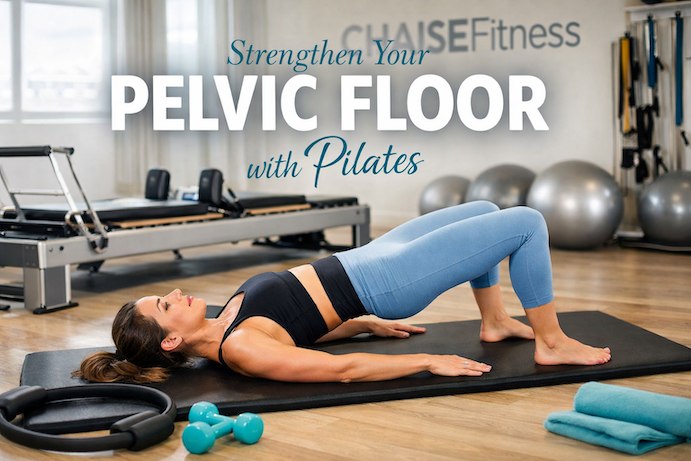
The Best Pilates Exercises for Strengthening Your Pelvic Floor
Your pelvic floor plays a crucial role in everyday movement, stability, and overall core health. These muscles support your bladder, bowel, and—especially for women—reproductive organs. When the pelvic floor is strong, you’re better equipped to handle daily tasks, maintain good posture, and even improve athletic performance. Thankfully, Pilates offers a gentle yet effective way to build pelvic floor strength through mindful movement, breath control, and targeted exercises.
At ChaiseFitness, we believe in empowering you with safe, effective Pilates techniques that support your body’s natural alignment and function. Whether you’re new to Pilates or looking to deepen your practice, the following exercises can help strengthen your pelvic floor while enhancing core stability and overall body awareness.
Why Pilates for Pelvic Floor Strength?
Unlike traditional workouts that focus on large muscle groups, Pilates emphasizes deep core engagement, breath control, and slow, precise movements. This approach not only builds strength but also improves neuromuscular coordination and body awareness—key elements for pelvic floor function. A strong pelvic floor supports your spine, improves posture, and can help prevent issues like incontinence and lower-back discomfort.
Top Pilates Exercises to Strengthen Your Pelvic Floor
Here are some of the most effective Pilates moves you can incorporate into your routine. Focus on slow, controlled movements and coordinate each exercise with mindful breathing for maximum benefit.
1. Pelvic Tilts
Why it works: Pelvic tilts help activate the lower abdominals and pelvic floor muscles, teaching you to connect breath with movement.
How to do it:
Lie on your back with knees bent and feet flat on the mat.
Inhale deeply, then exhale as you tilt your pelvis upward, flattening your lower back toward the floor.
Gently engage your pelvic floor and lower-ab muscles.
Hold for a few seconds, then slowly release.
Repeat for 10–12 reps.
2. Bridge Pose
Why it works: The bridge strengthens the glutes, lower back, and pelvic floor simultaneously—great for whole-body stability.
How to do it:
Lie on your back with knees bent and feet hip-width apart.
Inhale to prepare.
Exhale as you lift your hips toward the ceiling, squeezing your glutes.
At the top, draw your pelvic floor up and in.
Hold for 3–5 seconds, then slowly lower.
Aim for 10–15 reps.
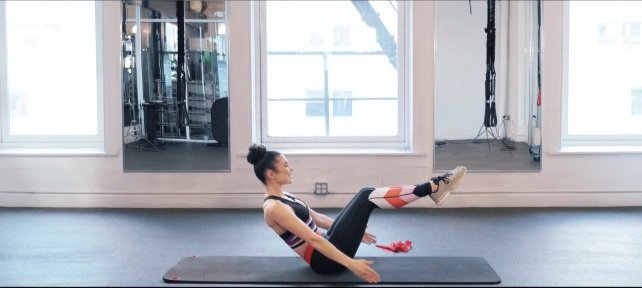
3. Bird Dog
Why it works: This classic Pilates move improves pelvic stability and engages the core and pelvic floor muscles together.
How to do it:
Start on hands and knees in a neutral spine position.
Inhale to prepare.
Exhale as you extend your right arm forward and left leg back.
Maintain a neutral pelvis and gently engage your pelvic floor.
Hold for a few seconds, then return to start.
Switch sides and repeat for 8–10 reps each.
4. Side-Lying Leg Lifts
Why it works: While targeting the hips and glutes, this exercise also activates deep stabilizers that support the pelvic floor.
How to do it:
Lie on your side with legs stacked.
Support your head with your lower arm and place your top hand in front for balance.
Inhale, then exhale as you lift the top leg.
Keep your pelvis steady and lightly engage your pelvic floor.
Lower with control and repeat for 10–12 reps on each side.
5. Deep Squat with Breath
Why it works: A deeper squat engages the pelvic floor through controlled descent and breath-focused engagement.
How to do it:
Stand with feet slightly wider than shoulder-width.
Inhale as you sit back into a deep squat.
Exhale while engaging your pelvic floor and lower abs.
Hold the bottom position for 2–3 breaths.
Rise with control and repeat for 8–10 reps.
Tips for Success
Breathe with intention: In Pilates, inhalation prepares the body and exhalation supports engagement of the core and pelvic floor.
Move mindfully: Focus on quality over quantity. Controlled movements lead to better muscle activation.
Modify as needed: If any exercise causes discomfort, reduce range of motion or consult a Pilates instructor.
Consistency is key: Practicing these exercises 3–4 times per week can yield noticeable improvements.
Strengthening your pelvic floor with Pilates isn’t just about one muscle group—it’s about building a resilient, coordinated core that supports your body in everyday life. At ChaiseFitness, we’re committed to helping you move with confidence and strength, whether you’re in a group class or practicing at home.
If you’re new to Pilates or want personalized guidance, our expert instructors can tailor a plan that meets your goals and supports your pelvic health journey.
Ready to feel stronger from the inside out? Let’s get moving! 💪