
f you’ve ever wondered how often you should be doing Pilates to actually see and feel results, you’re not alone. Pilates is one of the most effective low-impact workouts for strength, flexibility, posture, and overall body awareness—but frequency matters. At ChaiseFitness, we help clients at all levels find the right rhythm for their goals, whether that’s increased core strength, improved mobility, or a leaner, more toned silhouette.
Why Frequency Matters
Unlike high-intensity workouts that rely on short bursts of maximal effort, Pilates works by consistently challenging deep stabilizing muscles through controlled movements and mindful breathing. That means you’re not just burning calories—you’re improving neuromuscular efficiency, posture, and functional strength that carries into everyday movement. Consistency helps your nervous system learn the exercises, builds muscle endurance, and reinforces healthy movement patterns.
But how often should you practice to see noticeable results?
1. Beginners: 2–3 Times a Week
If you’re just starting, two to three Pilates sessions per week is the sweet spot. This schedule gives your body time to adapt to new patterns of movement while building foundational strength and flexibility.
What to expect:
Enhanced core engagement and awareness in daily activities
Gradual improvements in posture and alignment
Reduced stiffness and increased mobility
Starting with this frequency helps you focus on proper form and technique, which is critical in Pilates. Rushing into too many classes too soon can lead to fatigue or poor habits—so steady progress is key.
2. General Fitness & Maintenance: 3–4 Times a Week
Once you’ve built a foundation, moving up to three to four sessions weekly is ideal for general fitness goals. This frequency promotes stronger core muscles, improved balance, and a more stable spine—benefits that many ChaiseFitness clients notice within 4–6 weeks of consistent work.
This range also works well if you’re combining Pilates with other workouts like walking, cycling, or light strength training. Pilates sessions can serve as both a strength builder and active recovery between higher-impact days.
3. Body Sculpting & Toning: 4–5 Times a Week
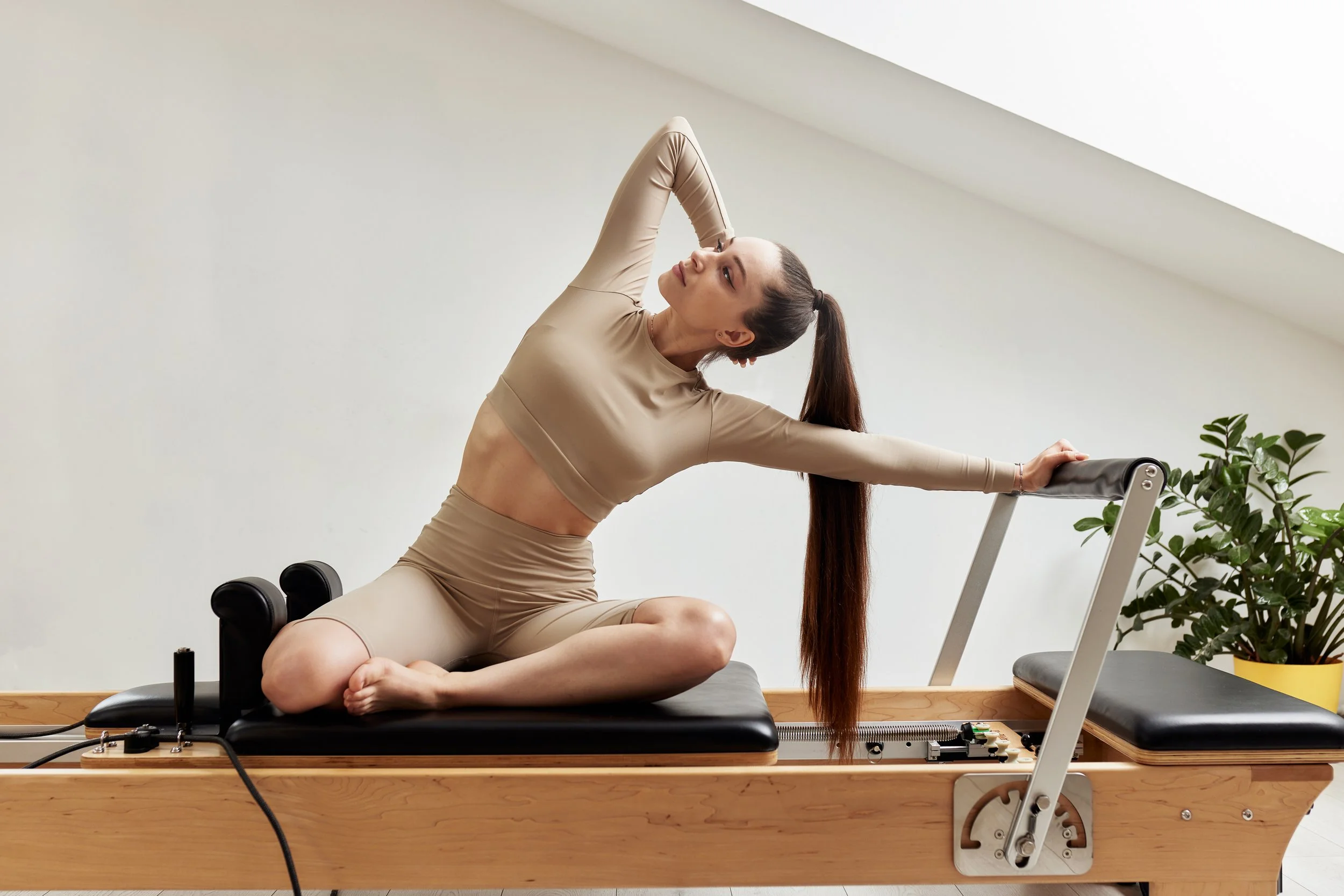
If your goals are more ambitious—like toning muscles, improving definition, and increasing endurance—four to five Pilates workouts per week can help accelerate your progress.
At this level:
You’ll challenge your muscles more frequently.
Progressive resistance and increased control will help build lean muscle tone.
You may begin to notice changes in body shape and posture within 6–8 weeks.
While Pilates alone isn’t a fat-loss guarantee, when paired with a balanced diet and cardio, this frequency supports a stronger metabolic output and faster results.
4. Advanced Practitioners: 5–6 Times a Week
For seasoned practitioners who want to deepen their practice, improve precision, and work toward advanced skills, five to six Pilates sessions weekly is an excellent target—as long as recovery is built in.
At this stage, a mix of classical repertoire and contemporary variations keeps the body challenged without overuse. But be smart: it’s important to listen to your body and include restorative sessions to prevent fatigue.
5. Rehabilitation & Specialized Goals: 1–3 Times a Week
If you’re using Pilates specifically for rehabilitation—such as pain reduction, injury prevention, or improving joint mobility—the frequency will vary depending on your condition. Often, one to three sessions per week under professional guidance is recommended. These sessions emphasize gentle, controlled movements that promote healing and healthy mechanics without aggravation.
When Will You Notice Results?
How fast you see progress depends on your goals and consistency:
2–4 weeks: Many people notice improved posture, better core awareness, and less stiffness.
4–8 weeks: Increased strength, flexibility, and the beginnings of visible tone often appear.
8–12+ weeks: Deeper muscle definition and significant posture changes become more evident, especially at higher frequencies.
Tips for Better Results
Mix formats: Combine mat Pilates with reformer or equipment-based work to challenge muscles in new ways.
Focus on technique: Precision beats quantity—good form ensures better results and lower injury risk.
Rest & recover: Your body needs recovery days, especially with more frequent practice.
Stay consistent: Consistency trumps intensity; regular, well-executed workouts deliver the best long-term results.
There’s no universal “one size fits all” answer—but a consistent Pilates schedule tailored to your goals will lead to noticeable improvements in strength, posture, flexibility, and overall well-being. Start with what you can sustainably commit to and build up from there.
At ChaiseFitness, we’re here to help you find that rhythm and make Pilates work for you—whether you’re a beginner or a seasoned mover ready to transform your body and mind.