Whether you're a runner, cyclist, weightlifter, or recreational athlete, cross-training is an essential part of maintaining a balanced fitness routine. While many people focus primarily on their preferred form of exercise, incorporating complementary workouts can improve performance, address muscular imbalances, and reduce the risk of overuse injuries. One of the most effective ways to diversify your fitness routine is through Pilates.
Pilates offers a unique combination of strength, flexibility, stability, and body awareness that complements nearly every type of physical activity. At ChaiseFitness in New York City, Pilates-based workouts provide an opportunity to strengthen supporting muscles, improve movement quality, and develop a more balanced approach to fitness.
What Is Cross-Training, and Why Is It Important?
Cross-training involves incorporating different types of exercise into your regular workout routine. Rather than performing the same movements repeatedly, cross-training challenges your body in new ways while developing different aspects of physical fitness.
For example, runners may benefit from strength training to improve stability, while weightlifters can incorporate mobility exercises to maintain flexibility. Cross-training helps prevent repetitive strain, supports overall conditioning, and can make exercise more engaging.
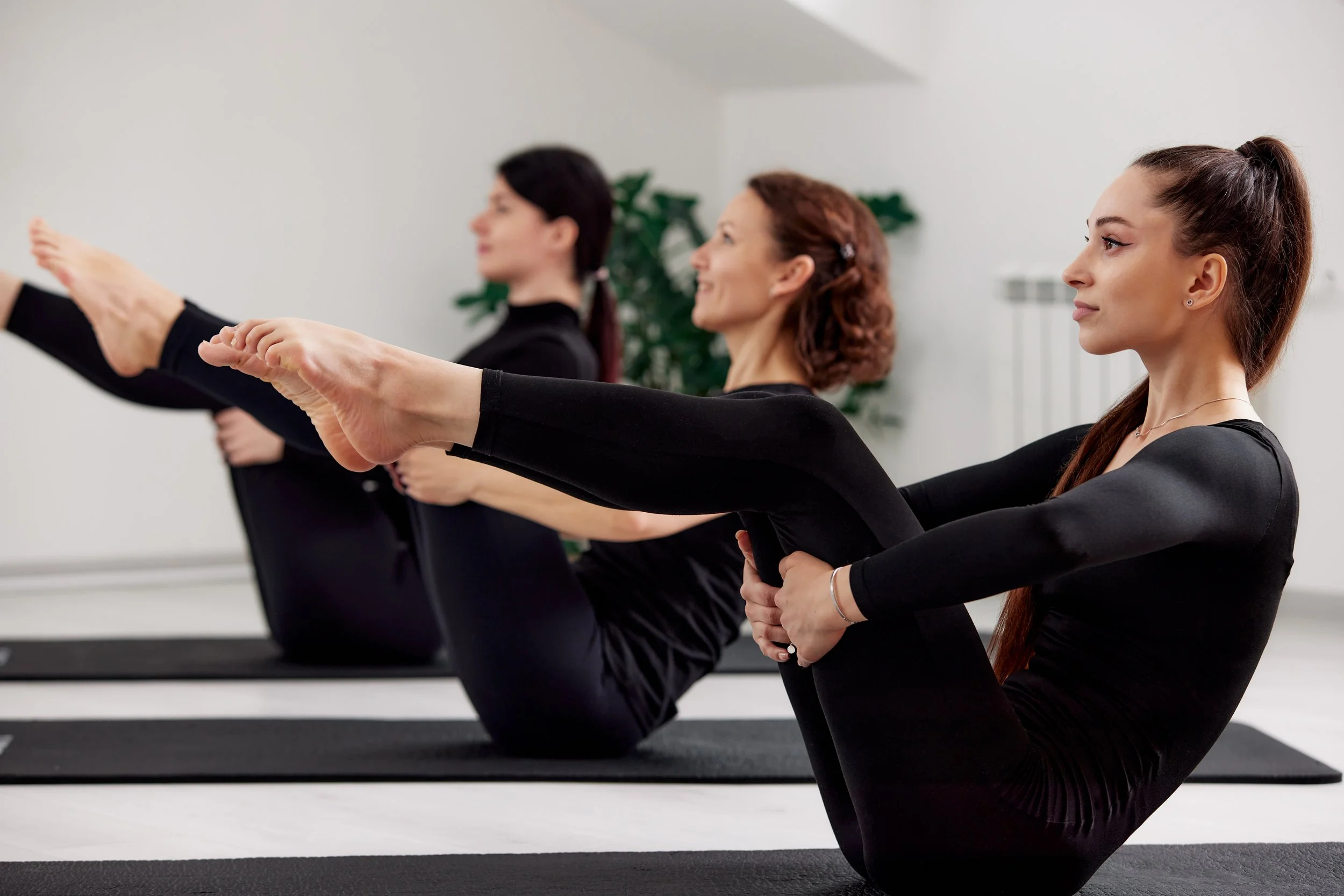
Pilates is particularly valuable because it emphasizes controlled movements, proper alignment, and muscular endurance. These qualities complement activities that rely heavily on cardiovascular endurance, explosive strength, or repetitive motion.
1. Pilates Builds Core Strength for Better Performance
One of the biggest advantages of cross-training with Pilates is improved core strength. Your core includes more than just your abdominal muscles. It also involves the muscles supporting your spine, pelvis, and hips.
A strong core provides stability during nearly every physical activity. Runners rely on core strength to maintain posture, cyclists need it to support their positioning, and weightlifters use it to stabilize their bodies during demanding exercises.
Pilates emphasizes deep core engagement through precise, controlled movements. Over time, this can improve stability, coordination, and the ability to transfer force efficiently throughout the body.
2. Improves Flexibility and Mobility
Many traditional workouts prioritize strength or endurance without dedicating enough attention to flexibility and mobility. This can contribute to muscle tightness and restricted movement.
Pilates incorporates exercises that encourage controlled movement through comfortable ranges of motion while strengthening the muscles responsible for joint stability.
For athletes who regularly perform repetitive movements, such as running or cycling, Pilates can help address areas of tightness and improve overall movement efficiency.
Better mobility can also make everyday activities more comfortable, particularly for individuals who spend long hours sitting at a desk.
3. Helps Address Muscular Imbalances
Repetitive exercise patterns can cause certain muscle groups to become stronger or more dominant than others. These imbalances may affect posture, movement mechanics, and overall performance.
Pilates encourages balanced muscle development by targeting both large muscle groups and smaller stabilizing muscles.
For example, runners may develop strong quadriceps while neglecting certain hip stabilizers. Similarly, individuals who frequently lift weights may benefit from additional exercises focusing on spinal stability and controlled movement.
By incorporating Pilates into a cross-training routine, athletes can strengthen underutilized muscles and develop more balanced movement patterns.
4. Supports Active Recovery Between Workouts
Recovery is essential for improving athletic performance. However, recovery doesn't always require complete inactivity.
Lower-intensity Pilates sessions can provide an opportunity to maintain movement between demanding workouts. Gentle stretching, controlled strengthening, and breathing exercises can help reduce stiffness and promote body awareness.
Because many Pilates exercises are low-impact, they can complement activities involving running, jumping, or heavy resistance training.
However, challenging Pilates classes can also create muscular fatigue. Choosing an appropriate intensity is important when using Pilates for active recovery.
5. Enhances Balance, Coordination, and Body Awareness
Successful athletic performance requires more than strength and endurance. Balance, coordination, and the ability to control movement are equally important.
Pilates emphasizes precise movement, breathing, and concentration. These elements help participants recognize how their bodies move and respond to different physical demands.
Improved body awareness can be particularly valuable during activities requiring coordination, such as tennis, golf, dancing, and strength training.
How Often Should You Incorporate Pilates Into Your Routine?
For many active individuals, incorporating Pilates once or twice per week is a practical starting point.
The ideal frequency depends on your existing training schedule, fitness goals, and recovery needs. Pilates can be performed on a dedicated cross-training day or incorporated alongside other workouts.
Consistency matters more than intensity. Even one weekly session can provide an opportunity to work on movement patterns that your regular workouts may overlook.
Experience the Benefits of Cross-Training at ChaiseFitness
At ChaiseFitness, we believe a well-rounded fitness routine should challenge your body in different ways while supporting long-term strength and mobility.
Located on Manhattan's Upper East Side, our contemporary Pilates studio offers private and duet sessions alongside small group classes. Our signature Reinvention Method blends Pilates fundamentals, ballet-inspired movements, and resistance training to create engaging full-body workouts.
From traditional Pilates Mat classes to Reinvention Chair and BandSculpt sessions, our instructors help clients develop core stability, flexibility, coordination, and functional strength. Personalized private sessions are also available for individuals looking to complement specific athletic activities or fitness goals.
Whether you're training for a race, lifting weights regularly, or simply looking to improve your overall fitness, Pilates can be an excellent addition to your routine.
Ready to take your fitness routine to the next level? Discover how cross-training with Pilates can help you build a stronger, more balanced body.
Visit ChaiseFitness or call 212-744-6100 to learn more about our Upper East Side Pilates classes and private training sessions.