Can Pilates Help You Recover After Intense Workouts?
Whether you're lifting weights, running long distances, attending HIIT classes, or participating in competitive sports, intense workouts can take a toll on your body. While challenging exercise is essential for building strength, endurance, and overall fitness, recovery is equally important for achieving long-term results.
Many fitness enthusiasts overlook the importance of recovery, believing that pushing harder every day will produce faster improvements. However, incorporating lower-intensity movement into your routine can help your body recover while maintaining flexibility, mobility, and strength.
This is where Pilates comes in. At ChaiseFitness, we believe Pilates can be an excellent complement to demanding fitness routines, helping individuals improve movement quality, address muscle stiffness, and support overall physical recovery.
Why Recovery Matters After Intense Exercise
When you engage in strenuous physical activity, your muscles experience stress that stimulates adaptation and growth. However, these adaptations require adequate recovery time.
Without sufficient recovery, you may experience:
Persistent muscle soreness and stiffness
Reduced flexibility and range of motion
Increased fatigue and decreased performance
Greater susceptibility to overuse injuries
Difficulty maintaining proper exercise technique
Recovery doesn't always require complete inactivity. Active recovery, which involves gentle, controlled movement, can help maintain mobility and reduce feelings of stiffness without placing excessive demands on already-fatigued muscles.
Pilates offers an effective way to incorporate this type of movement into your fitness routine.
How Pilates Supports Post-Workout Recovery
1. Encourages Healthy Circulation
One potential benefit of Pilates after intense exercise is its ability to encourage healthy blood circulation.
Controlled movements engage different muscle groups while promoting blood flow throughout the body. Circulation delivers oxygen and nutrients to working tissues, supporting the body's natural recovery processes.
Unlike another demanding strength-training session, a gentle Pilates workout can encourage movement without significantly increasing physical fatigue.
2. Helps Reduce Muscle Stiffness
Muscle tightness is common after challenging workouts, particularly those involving repetitive movements or heavy resistance.
Runners frequently experience tight hip flexors and hamstrings, while weightlifters may notice stiffness in their shoulders, chest, and lower back.
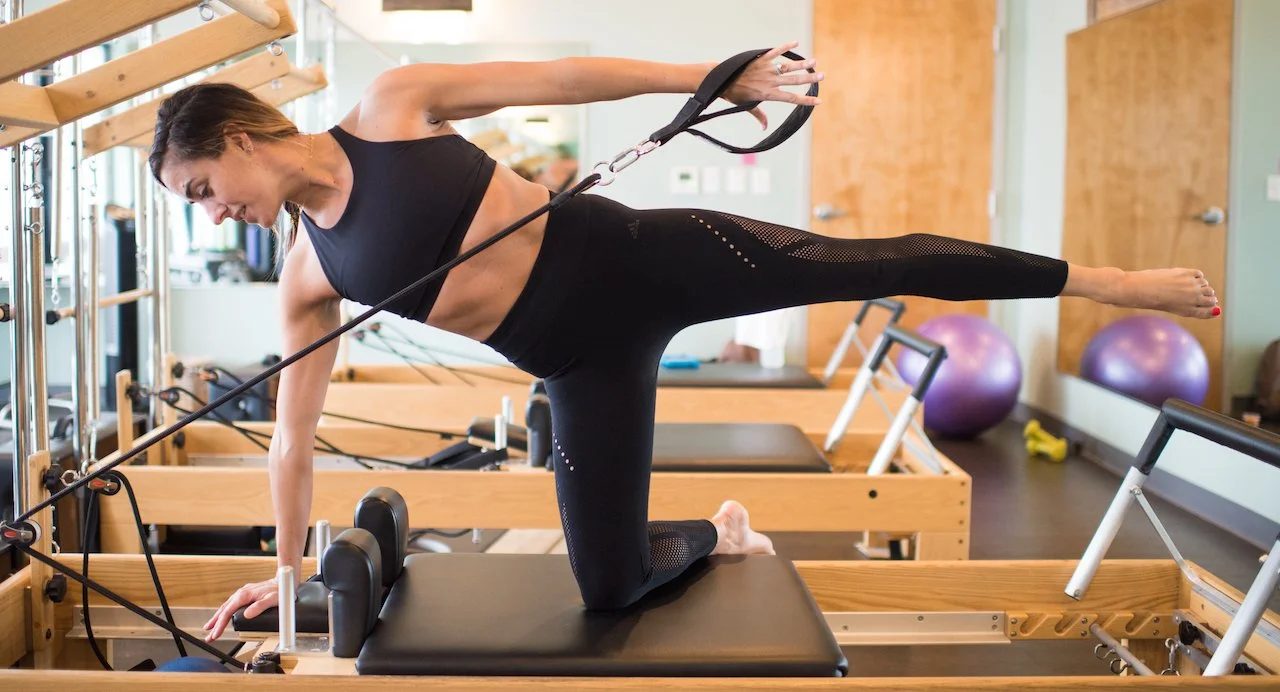
Pilates incorporates controlled stretching, mobility exercises, and strengthening movements that can help improve flexibility and ease feelings of tightness.
Rather than forcing muscles into uncomfortable positions, Pilates encourages gradual movement through comfortable ranges of motion.
This approach can be particularly beneficial when your muscles feel stiff following strenuous activity.
3. Strengthens Stabilizing Muscles
Intense workouts often emphasize major muscle groups, but smaller stabilizing muscles also play an essential role in athletic performance.
Pilates places significant emphasis on core stability, pelvic alignment, and coordinated muscle engagement.
Strengthening these supporting muscles can improve movement efficiency and provide greater stability during activities such as running, lifting, and cycling.
Over time, incorporating Pilates into your fitness routine may help address muscular imbalances and complement your primary training program.
4. Improves Flexibility and Joint Mobility
Limited mobility can affect exercise performance and make certain movements more challenging.
Pilates combines flexibility training with controlled muscular engagement, encouraging the body to move efficiently through its available range of motion.
For example, improving hip mobility may benefit runners and cyclists, while developing better shoulder mobility can complement upper-body strength training.
Regular Pilates practice can help maintain flexibility and joint mobility, making it easier to perform everyday activities and athletic movements comfortably.
5. Promotes Relaxation and Mental Recovery
Physical recovery is only one part of maintaining a balanced fitness routine.
Intense training schedules can also contribute to mental fatigue, particularly when every workout focuses on performance goals or physical exertion.
Pilates emphasizes intentional breathing, concentration, and mindful movement.
This slower, more deliberate approach provides an opportunity to focus on body awareness rather than workout intensity.
For individuals balancing demanding exercise routines with busy professional and personal schedules, Pilates can offer a valuable mental reset.
When Should You Incorporate Pilates Into Your Workout Routine?
Pilates can complement various training schedules, but the appropriate timing depends on your fitness goals and recovery needs.
Some individuals benefit from incorporating a gentle Pilates session the day after an intense workout. Others prefer scheduling Pilates between strength-training or cardio sessions.
For active recovery, consider incorporating one or two lower-intensity Pilates sessions per week.
The key is adjusting the intensity appropriately. Not every Pilates class is designed for recovery, and challenging resistance-based sessions can create additional muscular fatigue.
If you're particularly sore or exhausted, prioritize rest or gentle movement instead of pushing through another demanding workout.
Experience the Benefits of Pilates at ChaiseFitness
At ChaiseFitness, our contemporary approach to Pilates combines controlled movement, strength training, flexibility, and body awareness to help clients build stronger, more balanced bodies.
Located on Manhattan's Upper East Side, ChaiseFitness offers a variety of Pilates-based classes, including Pilates Mat, BandSculpt, and our signature Reinvention Chair classes.
Our patented Reinvention Method incorporates Pilates fundamentals, ballet-inspired movements, and resistance training to create a unique full-body fitness experience.
Whether you're an experienced athlete, a dedicated gym enthusiast, or simply looking to complement your existing exercise routine, our instructors can help you explore Pilates movements suited to your individual fitness goals.
Private sessions also provide an opportunity for personalized instruction and modifications based on your experience and physical needs.
Make Pilates Part of Your Recovery Routine
Achieving lasting fitness results requires more than intense workouts. Giving your body opportunities to recover is essential for maintaining performance, preventing excessive fatigue, and supporting long-term physical health.
Pilates can play a valuable role in a balanced exercise program by promoting flexibility, mobility, core stability, and mindful movement.
While Pilates doesn't replace adequate sleep, nutrition, hydration, or rest, it can provide an enjoyable way to stay active between demanding training sessions.
Ready to discover how Pilates can complement your fitness routine?
Explore the classes and private training options available at ChaiseFitness on Manhattan's Upper East Side.
Visit ChaiseFitness or call 212-744-6100 to learn more about our Pilates classes and start building a stronger, more balanced fitness routine.